

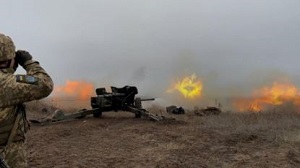
According to Ukrainian authorities, the 12-hour attack involved almost 600 drones, 46 cruise missiles and five rockets, leaving homes, hospitals and public infrastructure in ruins across several regions. The United Nations humanitarian co-ordination office, OCHA, confirmed that children were among the casualties.
Kyiv and Zaporizhzhia were among the areas worst hit, with residential buildings destroyed and medical facilities damaged. “More lives have been lost, homes have been impacted and children are among the casualties,” OCHA said in a statement.
The assault comes amid growing alarm over nuclear safety. The Zaporizhzhia nuclear power plant, Europe’s largest, remains reliant on emergency diesel generators to maintain essential systems after last week’s tenth total loss of offsite power since the conflict began. The International Atomic Energy Agency (IAEA) has warned the fuel supply may only last about 10 days.
The UN nuclear watchdog also reported that drones have been flying dangerously close to the South Ukraine Nuclear Power Plant, with one downed aircraft exploding just 800 metres from the site perimeter. An IAEA team confirmed that 22 unmanned aerial vehicles were observed in the area last week. Although no casualties or damage to the facility were reported, Director General Rafael Grossi cautioned, “Next time we may not be so lucky. I continue to urge both sides to show maximum military restraint around all important nuclear facilities.”
Meanwhile, with winter approaching, repeated Russian strikes on Ukraine’s energy infrastructure have left thousands without electricity. The UN and humanitarian partners assisted 2.4 million people in the first half of 2025, but needs remain far greater.
The 2025–2026 Winter Response Plan, launched in July, seeks $280 million but is only 40% funded. Relief agencies are prioritising support for frontline communities, evacuations, emergency post-strike assistance and aid for displaced people. Despite funding shortfalls, OCHA stressed that support is also being provided to residents in central and western Ukraine.
–UN/ChannelAfrica–





