

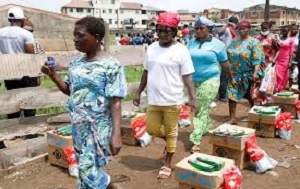
Over 133 million are also estimated to be experiencing both poverty and malnutrition, according to the latest figures.
Public affairs analyst Martins Oloja says the crisis is rooted in decades of poor governance rather than external shocks. “We got to this point because of poor leadership and poor management of our resources over the years,” Oloja said. “Our leaders have allowed politics to trump policies. They have not been serious about managing the economy, only about managing politics, and that is why we have stagnation, inflation and a worsening energy crisis.”
He criticised government poverty alleviation programmes as lacking credibility. “The statistics used are not reliable and the institutions are run by the wrong people,” Oloja said. “We see a celebration of mediocrity, where professionals and the brightest minds are excluded from governance in favour of political appointees.”
Oloja warned that worsening poverty could destabilise the country. “The danger is political instability,” he said. “Young people are restless, and ignoring their frustrations could fuel hostility. You already see it on social media, where citizens are questioning how leaders expect to win elections again.”
Nigeria marks its 65th Independence Day this October 1st with subdued celebrations, as hardship and disillusionment weigh heavily on citizens.





