

The United Nations (UN) warns that the scale and speed of displacement are straining resources and complicating relief efforts in the region.
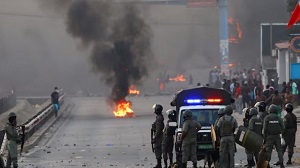
Between July 20 and 28, at least 46 667 people were displaced across the districts of Chiúre, Ancuabe and Muidumbe due to a spate of violent attacks, according to the UN Office for the Co-ordination of Humanitarian Affairs (OCHA). Chiúre was the worst affected, with over 42 000 people uprooted, more than half of them children.
“Insecurity persists, and people on the move often lack civil documentation,” OCHA noted in its latest humanitarian update. “These challenges may impact the ability of displaced people to move freely, safely access basic services and maintain their livelihoods.”
In Chiúre Sede, thousands of newly displaced families are sheltering in overcrowded neighbourhoods such as Bairro Micone and Bairro Namicir. Humanitarian partners report a high number of children who have been separated from their families, raising serious child protection concerns.
Food, shelter, and non-food items are the most urgent needs, as communities grapple with limited access to clean water, healthcare, and safe housing.
The district of Ancuabe also witnessed a sharp deterioration in security. The International Organisation for Migration says the number of displaced families there nearly tripled in a week, reaching nearly 2 000 people, including over 1 200 children. Many fled from Nanduli village to safer areas in Chiote and Ancuabe Sede.
In Muidumbe district, fighters reportedly burned homes in Magaia village and opened fire near Mungue. Nearly 500 families have since relocated to displacement sites, but access for aid organisations remains restricted due to ongoing insecurity.
Since January 2025, more than 95 000 people have fled violence in Cabo Delgado, a region grappling with a complex crisis driven by armed conflict, climate shocks, disease outbreaks, and a chronic lack of funding. Humanitarian agencies are urgently appealing for increased support to meet the mounting needs.
–UN/ChannelAfrica–


