


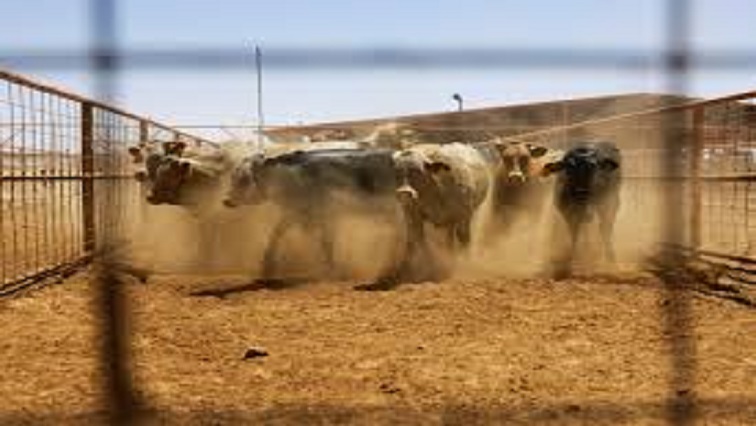
The Food and Agriculture Organisation (FAO) of the United Nations has launched a series of initiatives aimed at making livestock systems more sustainable, climate-friendly, and resilient.
The announcements came during FAO’s second Global Conference on Sustainable Livestock Transformation in Rome, which brought together governments, farmers, researchers, and industry experts.
Dr Alejandro Acosta, FAO Policy Officer, highlighted that the conference focused on assessing progress since the first meeting two years ago. “The main outcome has been to start seeing practical changes at the national level to improve performance and sustainability in livestock production systems,” he said.
FAO unveiled the One Health Knowledge Hub and the Sustainable Livestock Transformation Innovation Hub. These platforms aim to combine diverse data sets, from animal populations and health status to productivity, socioeconomic indicators, land, and water use, to inform better decision-making for governments and farmers.
Acosta explained that FAO is supporting livestock transformation on three fronts: innovation adoption, capacity building, and removing barriers that prevent farmers from adopting technologies at scale. Innovations include agro-silvo-pastoral systems, improved feed practices, and managerial improvements to increase productivity sustainably.
The conference also highlighted the threat of transboundary animal diseases and the need for integrated approaches to prevent outbreaks. “Animal diseases are not isolated; they are influenced by economic, environmental, and social factors. By bringing all stakeholders together, we can better protect livestock and livelihoods, especially in developing regions,” Acosta said.
FAO is prioritising gender and youth inclusion in its livestock programmes. Acosta noted, “We aim to ensure women-headed households and young farmers have access to markets and resources, addressing constraints that limit their participation in the livestock economy.”
FAO is preparing for the first global conference on One Health in Agri-Food Systems in 2026. The goal is to understand how human, animal, and environmental health intersect and to identify the macro-level drivers of pandemics and disease emergence. “The aim is to stop viewing livestock development in isolation and instead address the broader health and environmental factors,” Acosta explained.
–Channelfrica–


