

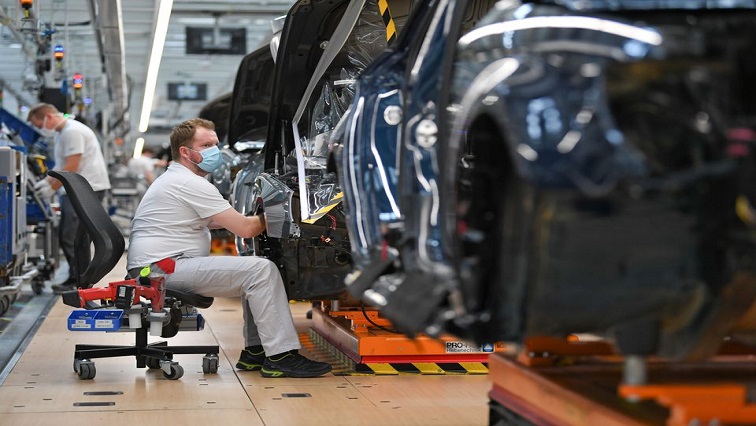
Rare earth magnets power motors in car parts such as sidemirrors, speakers, oil pumps, windshield wipers and fuel leakage and braking sensors. They play an even bigger role in EVs.
While a United States (US)-China deal diverted a supply threat, stockpiles were depleted by similar restrictions earlier this year, while Beijing has also made it harder to get export licenses. China has since dramatically expanded export curbs, with companies facing global supply shortages.
Consultancy AlixPartners estimates China controls up to 70%of global rare-earths mining, 85% of refining capacity and about 90% of rare-earths metal alloy and magnet production. The new Chinese export control list includes elements like ytterbium, holmium and europium, also used in making cars.
“The situation is very tense,” said Nadine Rajner, Chief Executive Officer (CEO) of German metal-powder supplier, NMD, adding customers want to source rare earths from anywhere but China. As part of efforts to counter Chinese dominance, on Monday President Donald Trump and Australian Prime Minister Anthony Albanese signed a critical minerals agreement that includes US investments in rare earth mining projects in Australia.
NMD’s Rajner said that while there are plenty of rare earths available in countries like Sweden, they do not have the mines or refining capacity to make them usable. And for heavy rare earths, China controls 99.8% of global refining capacity, making alternative sources negligible.
“We are pretty much sold out and have limited stocks,” Rajner said. Rare earths can be recycled from old cars, but that industry is in its infancy. Neutral, a Renault-backed company, currently recycles rare earths from 400 000 cars a year in France and has contracts with 15 brands in Europe. But “the challenge is scaling up these activities,” said Neutral CEO, Jean-Philippe Bahuaud.
–Reuters–





