


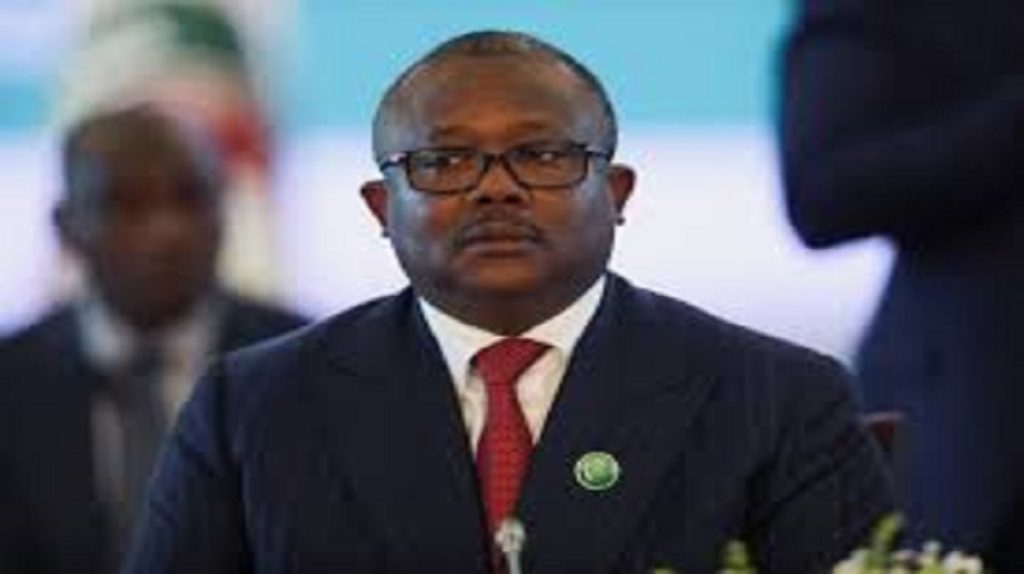
Guinea-Bissau heads into a crucial presidential election with twelve contenders vying to succeed President Umaro Sissoco Embaló.
Among them is former Head of State José Mário Vaz, who drew the first position on the ballot paper in a recent National Electoral Commission (CNE) lottery. His return to the political stage has reignited debate across the country, with some recalling the turbulence that marked his administration from 2014 to 2020, while others see him as a symbol of experience and continuity.
Analysts say the upcoming polls will serve as a test of Guinea-Bissau’s democratic resilience after years of political uncertainty and shifting alliances.
Speaking to the newsroom, Dr Fransual Dias, a Guinean jurist and political analyst, said the election comes at a turning point for the nation.
“These elections are not just about choosing a new president,” said Dias. “They are about rebuilding trust in public institutions and setting the country on a clearer, more stable path.”
He added that although the field is wide, only a handful of candidates are likely to dominate the race.
“Vaz’s candidacy brings both strength and controversy,” he observed. “He still commands loyalty in some regions, but his name also reminds voters of the divisions of the past.”
As the campaign season gains momentum, the CNE has appealed for calm and fairness, urging candidates to avoid inflammatory rhetoric that could spark unrest.
For many Bissau-Guineans, the election represents more than just a change in leadership, it is a chance to strengthen democracy and steer the country toward lasting political stability.
–ChannelAfrica–


