


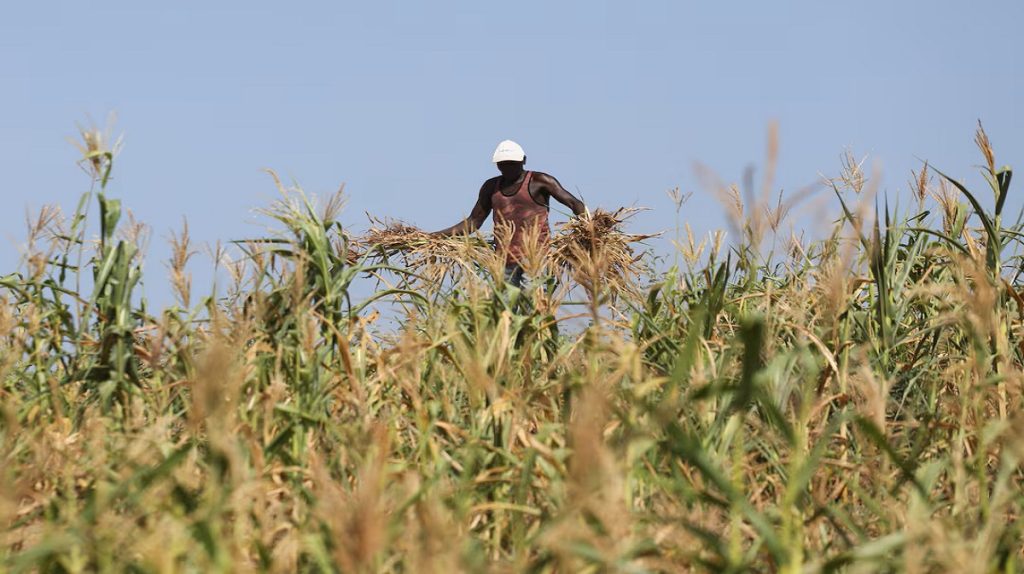
The move, aimed at stabilising local supply and curbing price hikes, has received support from economists who say it is necessary to protect food security and livelihoods.
Chief Economist at the Don Consultancy Group (DCG), Chifi Mhango, described the export ban as “a timely and necessary measure” to ensure food stability.
“The ban is quite called for, especially now that there’s a shortage of food in the country,” he said. “It will help stabilise maize prices and prevent traders from hoarding maize to push up prices.”
Mhango said maize prices had already dropped significantly since the government began importing grain from Zambia. “Just a month ago, the price of maize was over 100 000 Malawian kwacha per 50 kg bag, but now it has fallen to between 50 000 and 55 000,” he explained. “This shows the positive impact of government intervention.”
He added that the increased supply of maize on the market was reducing demand pressure and contributing to price stability. However, he cautioned that the ban should remain in place only until food supplies improve.
Mhango said the government’s next step should be to boost agricultural production through fertiliser imports and improved irrigation systems to mitigate the effects of drought and climate change. “It’s about how best the government can position itself to increase food production,” he said.
While acknowledging that the ban may affect farmers who depend on exports, he said domestic food needs must come first. “You can’t export food when it is scarce at home. The local market remains strong for maize traders,” he noted.
Looking ahead, Mhango urged the government to strengthen food reserves to cushion the country against future shortages. “Increasing the capacity of food reserves will be one of the key long-term solutions,” he said, adding that the export ban would remain until Malawi’s food situation stabilises.
–ChannelAfrica–


