

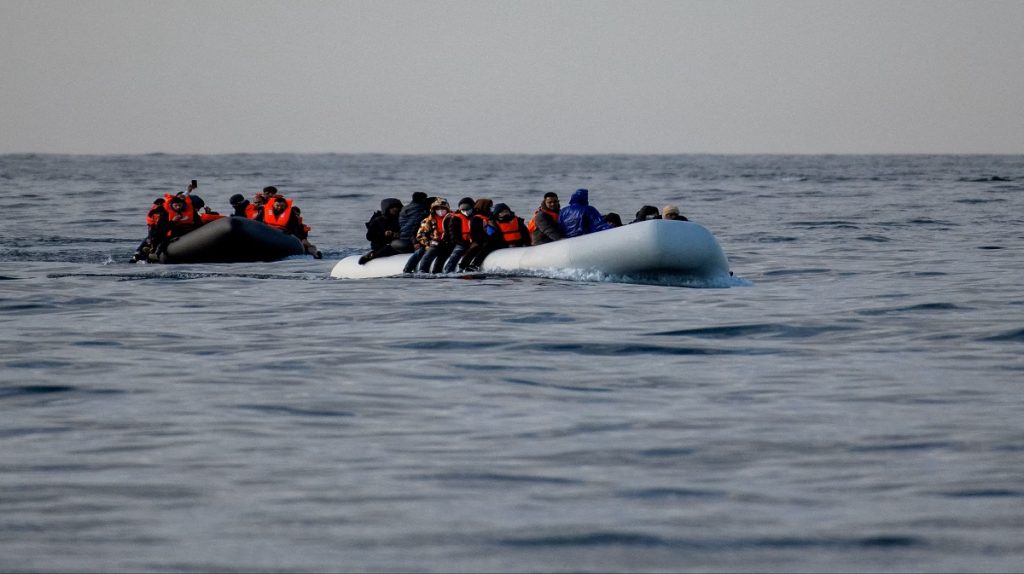
This marks the latest fatal crossing in the Central Mediterranean, where more than 1 000 lives have been lost so far this year, the International Organisation for Migration (IOM) reported on Wednesday.
The victims were among 49 migrants and refugees aboard a rubber boat that departed from Zuwara in northwest Libya on November 3. According to survivors, high waves caused the engine to fail, and the vessel capsized roughly six hours into the journey. All passengers, 47 men and two women, were thrown overboard.
After drifting at sea for six days, Libyan authorities rescued seven men on November 8, four from Sudan, two from Nigeria, and one from Cameroon. The missing passengers include 29 from Sudan, eight from Somalia, three from Cameroon, and two from Nigeria.
“IOM’s team provided the survivors with emergency medical care, water, and food upon arrival at the disembarkation point in coordination with relevant authorities,” the agency said.
The tragedy comes just weeks after other deadly incidents off Surman, Libya, and the Italian island of Lampedusa. The IOM emphasised that the disaster highlights the urgent need for strengthened regional cooperation, expanded safe and regular migration pathways, and more effective search and rescue operations.
“The total has risen even further, reinforcing the urgent need for action to prevent further loss of life,” the agency said, adding that humane and orderly migration benefits both people on the move and society as a whole.
The Central Mediterranean is the world’s deadliest migration route, spanning from North Africa to Italy. Since the establishment of IOM’s Missing Migrants Project in 2014, more than 25 600 people have died or disappeared along this route.
Experts cite several factors for the high death toll, including the length of the journey, dangerous smuggling patterns, gaps in search-and-rescue capacity, and restrictions on non-governmental organisations operations at sea.
Migrants often travel in unseaworthy, overloaded inflatable boats, and multiple vessels launched simultaneously can further complicate rescue efforts. The IOM continues to call for international action to protect lives and reduce the ongoing humanitarian crisis in the Mediterranean.
–UN/ChannelAfrica–


