


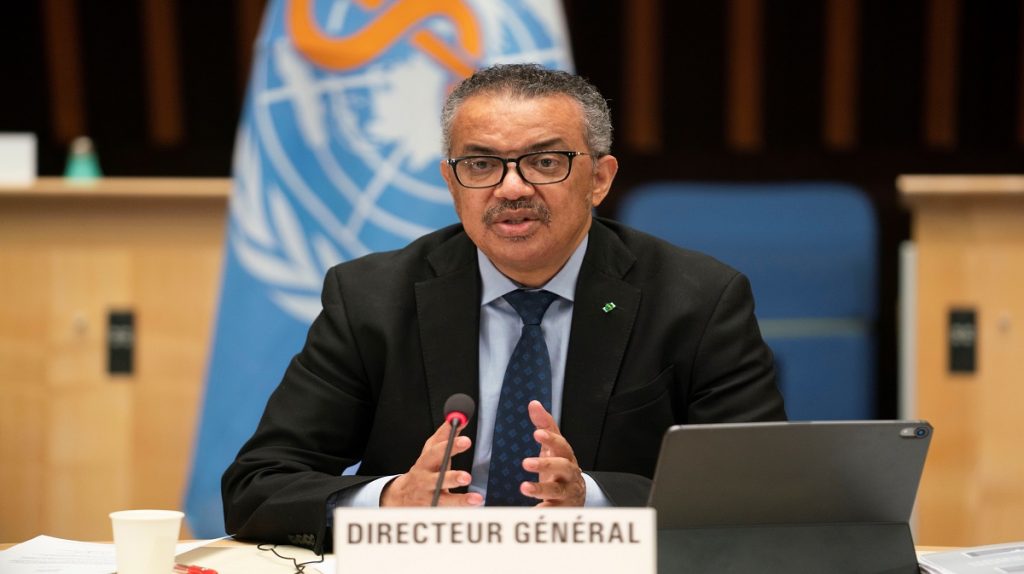
So far, eight possible cases have been reported in the South Ethiopia Region, with laboratory testing ongoing to confirm the cause. Health workers are among those infected, WHO Director-General Tedros Adhanom Ghebreyesus noted.
Viral haemorrhagic fevers are a group of epidemic-prone diseases caused by several distinct families of viruses, including Marburg, Ebola, Crimean-Congo haemorrhagic fever, and Lassa fever.
Symptoms range from mild illness to life-threatening disease, with sudden onset of muscle and joint pain, fever, bleeding, and shock from blood loss. Severe cases may experience haemorrhaging from orifices and internal organs.
Transmission varies by virus and can occur through contact with symptomatic patients, exposure during slaughtering practices, or, in the case of Lassa fever, contact with rodents or their droppings.
WHO has deployed experts to affected towns, along with medicines, personal protective equipment, and other essential supplies. The 11 technical officers will assist with disease surveillance, investigation, testing, and infection prevention and control.
A rapidly deployable isolation tent has been provided to boost clinical care and management capacity. Tedros also released $300 000 from the WHO Contingency Fund for Emergencies to support immediate national response efforts.
“WHO’s offices in Ethiopia and South Sudan are collaborating closely to prevent potential cross-border transmission,” Tedros said, adding that the agency is “ready to scale up support as and when needed.”
Authorities continue to monitor the situation closely as laboratory results are awaited, and WHO urges vigilance to contain the outbreak and protect both patients and healthcare workers.
–UN/ChannelAfrica–


