

Since the full-scale Russian invasion in 2022, children have endured persistent disruption, fear and instability, with many unable to attend school safely or regularly.
Air raid sirens continue to interrupt classes across the country, while schools in frontline regions remain closed due to ongoing bombardments or the absence of adequate shelters. According to UNICEF, almost one million children are now reliant on online learning because many educational facilities are either unsafe or inaccessible.
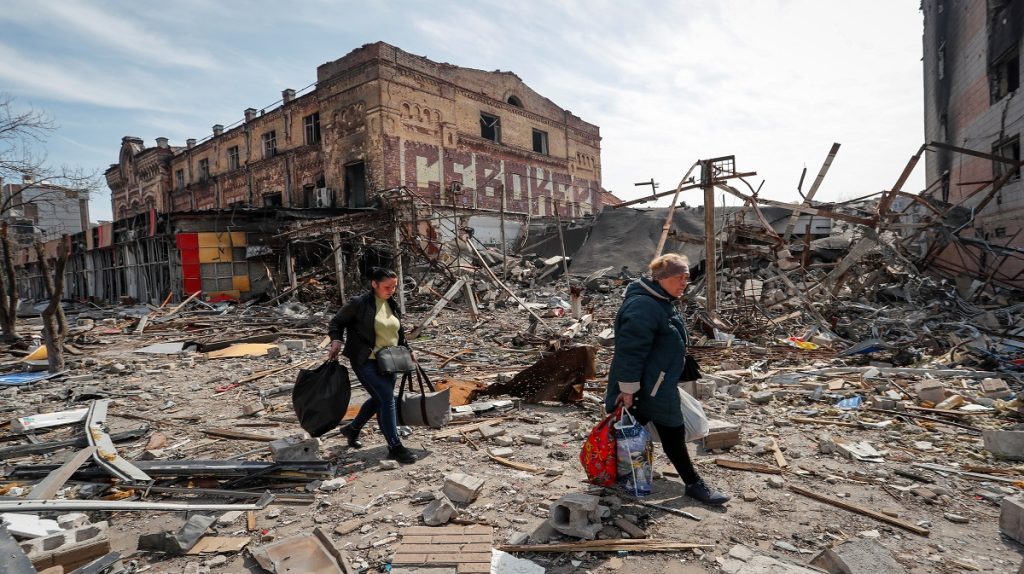
In 2025 alone, more than 340 schools were damaged or destroyed. Since the invasion began, the UN has verified damage to around 2 800 educational facilities, though the real figure is believed to be significantly higher.
“Schools must be protected spaces where children can learn safely, even during war. In times of crises, education provides a lifeline and sense of normalcy to children,” said Munir Mammadzade, UNICEF Representative in Ukraine.
Despite the mounting challenges, UNICEF says Ukrainian children continue to show remarkable resilience. “Children in Ukraine are determined to continue learning, whether in school or online, in classrooms or in shelters. They are hopeful for a future where they can achieve their dreams,” Mammadzade added.
Working with the government and local partners, UNICEF has helped more than half a million children access inclusive formal and non-formal education, including safe in-person learning and remedial programmes designed to address lost learning.
As winter sets in, the agency is also ramping up humanitarian support. In October, UNICEF provided winter cash assistance to 22 557 households to help families cope with freezing temperatures. So far this winter season, 43 337 households, representing 140 234 people, including 63,416 children, have received help. Of these, 30 738 are girls.
UNICEF has stressed that protecting schools and safeguarding children’s right to education during conflict is “non-negotiable”, urging international partners to continue supporting Ukraine’s education system as a vital investment in the country’s future.
–UN/ChannelAfrica–


