

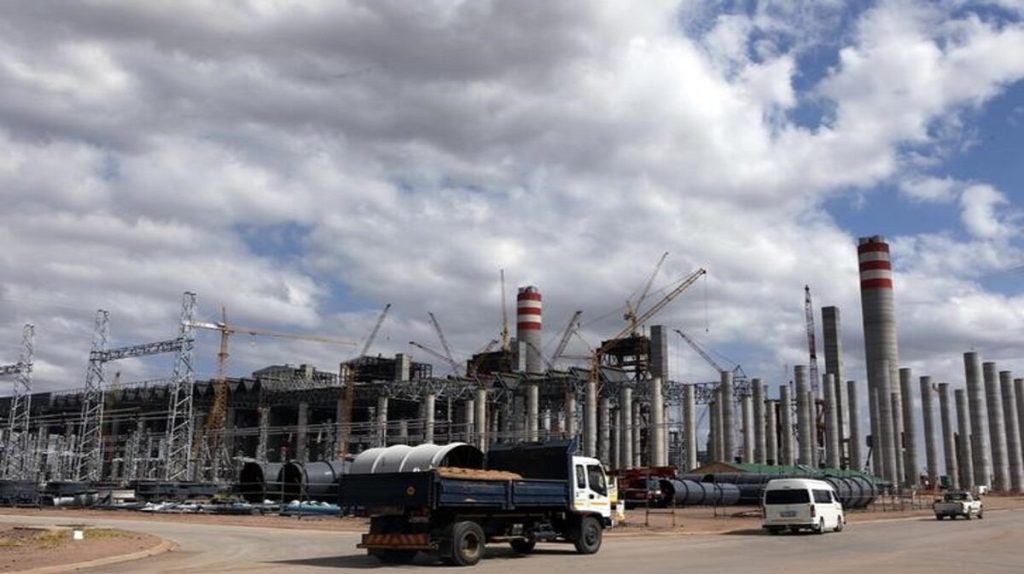
The disagreement, which began in 2022, centred on the building’s contract and was settled following the conclusion of a formal Dispute Adjudication Board (DAB) process.
The parties used the DAB mechanism, standard on large infrastructure projects, to clarify their positions on complex contractual matters, ultimately agreeing on a full and final settlement of $33.75 million covering claim 5, claim 6 and Eskom’s counterclaim. The settlement is $6.11 million below the DAB’s $39.87 million determination, and far lower than SSBR’s original demand of $93 million for claim 5.
Group Chief Executive Dan Marokane said the outcome demonstrates the effectiveness of measures introduced to protect Eskom’s finances and ensure rigorous oversight of contractor claims. Eskom emphasised that the settlement does not imply any admission of fault or mismanagement, and that the payment will not be recovered through customer tariffs.
Kusile Power Station is now fully operational, with Unit 6 having entered commercial service on September 29, 2025. Eskom stated that the closure of the dispute enables renewed focus on contract finalisation, operational optimisation and reliable power supply.
The utility also welcomed a credit ratings upgrade by S&P Global Ratings, which raised Eskom’s foreign and local currency long-term ratings from B to B+, with a stable outlook.
The agency also upgraded Eskom’s senior secured and unsecured debt, while government-guaranteed foreign currency debt climbed from BB- to BB+. Eskom’s national scale rating improved from zaBBB+/zaA-2 to zaA/zaA-1.
S&P’s decision reflects the progress achieved under Eskom’s Turnaround Plan, which has stabilised generation and strengthened financial performance. Eskom supplied electricity 97.9% of the time in the current financial year, up from 96% in FY2025, and recorded its first profit in eight years.
Marokane said the utility has moved “from a generation crisis to a phase of reliability and disciplined management”, with continued focus on governance improvements, combating corruption and preparing the organisation for long-term energy security.
–ChannelAfrica–


