


This follows comments by Egyptian Foreign Minister Badr Abdelatty that negotiations had reached a dead end and that Egypt reserved the right to defend its national interests.
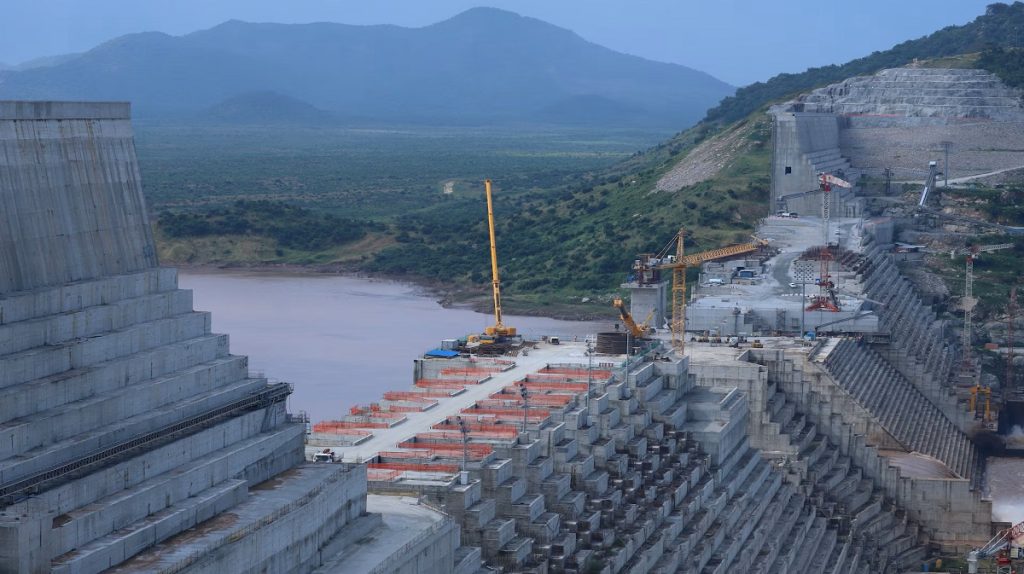
The latest exchange comes months after Ethiopia inaugurated the Grand Renaissance Dam, Africa’s largest hydroelectric project, which is expected to power Ethiopia’s development ambitions and supply electricity to neighbouring states.
Speaking to Channel Africa on Monday, Africa Centre for Diplomatic Affairs Chief Executive Gordon K’achola said the dispute reflects shifting regional realities that Cairo has been reluctant to acknowledge. He argued that historical agreements governing Nile usage, many signed during the colonial era, no longer match present-day demographic and development demands.
K’achola noted that political statements from Addis Ababa have long made clear that Ethiopia views the dam as a non-negotiable national priority. He recalled remarks by Prime Minister Abiy Ahmed to Parliament indicating Ethiopia would not halt construction under external pressure. According to K’achola, this stance underscores the country’s determination to harness the Nile for domestic growth.
Responding to Egypt’s assertion that the project violates international law, K’achola said international legal frameworks lack enforcement mechanisms and rely heavily on goodwill. He argued that meaningful progress requires all Nile Basin states to recognise the needs of both upstream and downstream populations and to negotiate with an appreciation of changing times.
On why the parties have struggled to find common ground, K’achola pointed to the scale of interests involved. Ethiopia sees the dam as vital for industrialisation and for supporting Africa’s wider transition to sustainable energy. However, delays linked to regional tensions could undermine expected power export agreements and limit economic gains.
K’achola warned that unresolved friction risks could spill into wider geopolitical competition. He cited the swift Egyptian reaction to Ethiopia’s recent agreement with Somaliland, including Cairo’s deepened military cooperation with Somalia, as a sign of how quickly tensions can spread.
He added that the Horn of Africa remains vulnerable to political and security shocks, and that Ethiopia’s recent emergence from internal conflict makes stability particularly fragile. Without African-led mediation and a renewed commitment to compromise, he cautioned, the dispute could escalate further, with implications for regional security and economic development.
–ChannelAfrica–


