


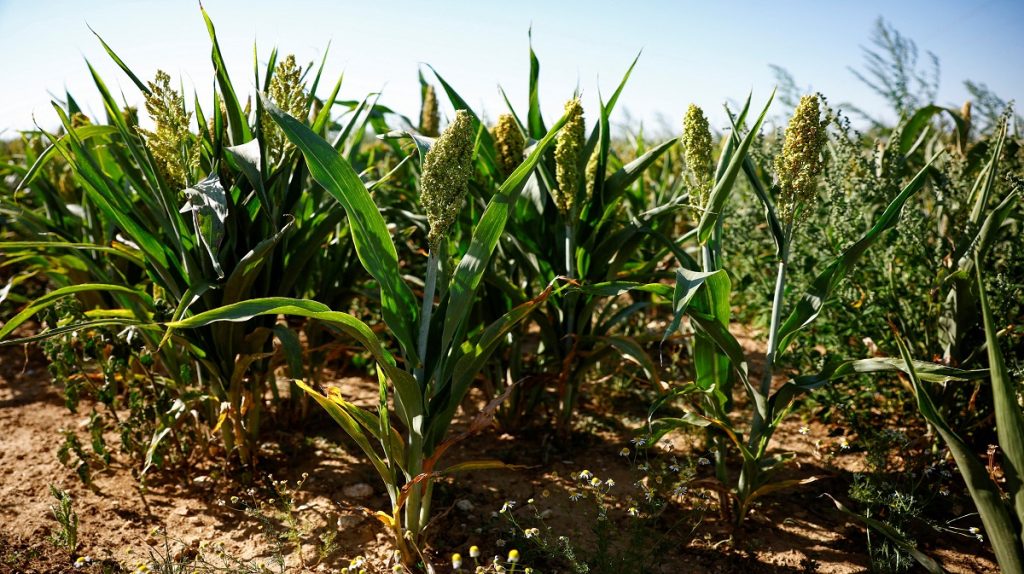
The United Nations (UN) World Food Programme says the harvest represents a major breakthrough for communities facing acute food insecurity. The progress follows support under the World Bank-funded THABAT project, which has assisted about 16 000 farmers across Kassala, River Nile and Northern states.
Through the programme, nearly 44 000 feddans of land have been brought back into production using improved seeds, fertilisers and climate-smart farming training. The initiative aims to help households regain self-reliance while rebuilding local markets weakened by the conflict.
World Food Programme Deputy Country Director for Operations in Sudan Pablo Yuste described the harvest as a sign of hope, not only for farming communities but for the country as a whole. He said Sudan has the capacity to produce enough food to feed its population, adding that the current recovery shows what is possible with targeted investment.
Yuste said farmers supported by the project are already seeing immediate benefits, including higher yields and improved farming practices. He noted that similar interventions in the past had nearly doubled productivity, allowing farmers to return stronger after losing planting seasons and livelihoods.
Alongside the summer sorghum harvest, the winter wheat season is also progressing, raising expectations of improved food availability in the coming months. The World Food Programme says these gains are critical as millions of people across Sudan continue to face hunger driven by displacement, market disruption and reduced incomes.
Yuste said the project could serve as a model for wider agricultural recovery in Sudan and across Africa, arguing that investment in smallholder farming delivers broad economic and social benefits. He also highlighted the importance of reducing post-harvest losses, which average about 25% in many African countries, saying technical support can significantly increase usable food supplies.
Humanitarian agencies say sustaining and expanding such programmes will be essential to stabilising rural communities and strengthening food security as Sudan continues to grapple with the effects of prolonged conflict.
–ChannelAfrica–


