

The approval secures funding through the African Development Fund’s Transition Support Facility.
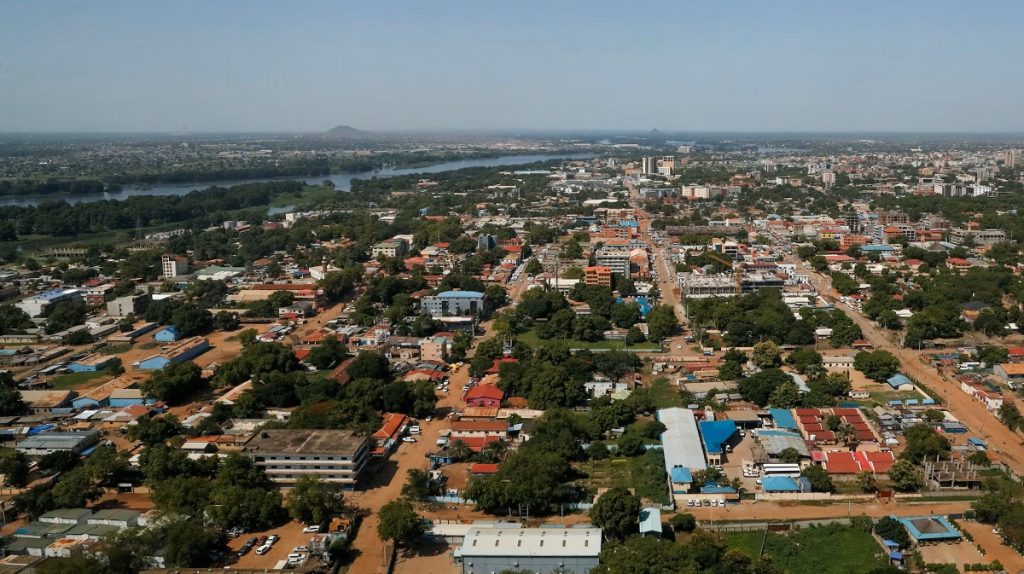
The project, originally approved on November 20, valued at $11 million, will focus on improving sanitation infrastructure and institutional capacity in South Sudan’s capital, Juba, where poor sanitation continues to fuel waterborne disease, environmental pollution and unsafe living conditions, particularly in densely populated neighbourhoods.
Under the revised arrangement, the project will upgrade and expand faecal sludge treatment facilities in Juba and strengthen waste management systems. New sanitation infrastructure will be constructed in high-density areas such as Munuki and Kator, benefiting tens of thousands of residents through improved hygiene, safer water sources and better public health outcomes. Reduced contamination of land and waterways is also expected to lower flood risks and environmental stress.
Public institutions responsible for sanitation services will receive training, equipment and technical assistance to improve planning, operations and maintenance. These measures aim to strengthen long-term service delivery and institutional resilience in a fragile context.
The project is expected to generate wider economic and social benefits beyond the city. Farmers near Juba will gain from the safer reuse of treated waste products, while youth will access skills development opportunities through internships and training linked to project activities. Construction work and ongoing system operations are also expected to create employment opportunities.
African Development Bank outgoing South Sudan Country Manager Themba Bhebhe described the project as a critical intervention for vulnerable communities in Juba, noting that strengthened local institutions will help deliver lasting improvements in public health and living conditions.
The initiative aligns with the Bank’s South Sudan Country Strategy Paper and the South Sudan Development Plan 2026–2036, both of which prioritise essential infrastructure and institutional support.
–AfDB/ChannelAfrica–


