


Ramiz Alakbarov, Deputy Special Co-ordinator for the Middle East Peace Process, provided the update during a quarterly briefing on Security Council resolution 2334 of 2016, which calls on Israel to cease settlement activity in the Occupied Palestinian Territory.
Speaking from Jerusalem, Alakbarov said the UN continues to support the ceasefire, which came into effect in October following a plan proposed by United States (US) President Donald Trump and mediated by the US, Egypt, Qatar and Türkiye. He urged both Israel and Hamas to fully implement the truce, exercise maximum restraint and comply with international law and relevant UN resolutions.
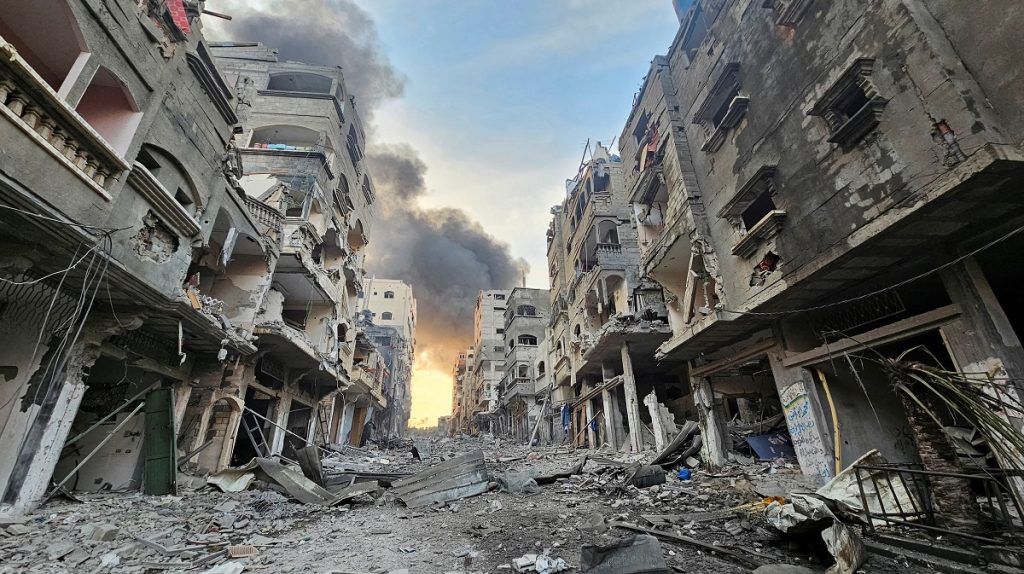
He stressed that consolidating the ceasefire is essential to enable recovery and reconstruction in Gaza, where humanitarian conditions remain dire.
Winter conditions are worsening the situation, with the risk of hypothermia increasing, particularly among infants. Alakbarov confirmed that a two-week-old newborn boy from Khan Younis died from hypothermia earlier on Tuesday, marking the first such reported death this winter.
He emphasised the importance of preserving and expanding operational space for humanitarian actors, including through the renewal of non-governmental organisation registrations, to ensure aid can reach those in need.
Although hunger levels have improved due to increased humanitarian aid and the entry of commercial foodstuffs, Alakbarov warned that key protein sources remain inaccessible to much of the population. Severe shortages of clean water, medical care and shelter continue to affect hundreds of thousands of people across the enclave.
Humanitarian access remains constrained, with aid convoys facing logistical and security challenges. Alakbarov called on all parties to allow the full and unimpeded entry of humanitarian assistance.
Heavy rains have further compounded the crisis. UN Deputy Spokesperson Farhan Haq said storms caused severe flooding in more than 40 emergency shelters, mainly in Khan Younis and Gaza City. Around 700 tents were damaged, affecting thousands of displaced people.
Despite the challenges, UN agencies and partners continue to respond. On Monday, nine humanitarian missions were coordinated with Israeli authorities, allowing the collection of food, fuel, blankets, tents and winter clothing from the Kerem Shalom and Zikim crossings, although several missions were delayed or partially impeded.
Humanitarian partners are also operating a rapid response system to flooding alerts, distributing tents, tarpaulins, warm clothing, blankets and dignity kits. Over the weekend, more than 1 000 families received high-energy food rations, while the distribution of veterinary kits and animal fodder resumed on December 09 after weather-related disruptions.
UN officials warned that without sustained access and improved conditions on the ground, humanitarian needs in Gaza will continue to outpace the response.
–UN/ChannelAfrica–


