


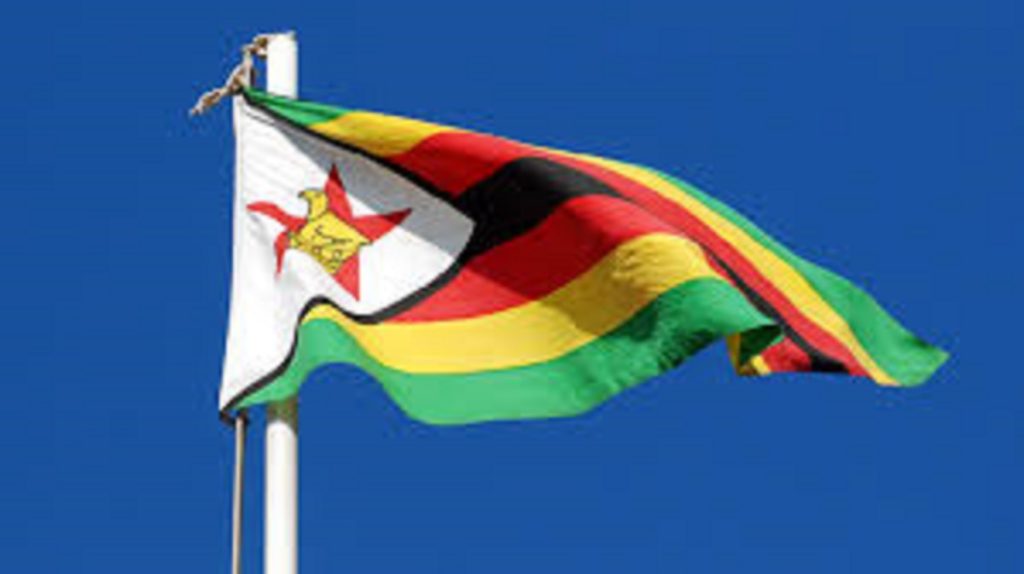
According to political analyst Professor Ibbo Mandaza, Zimbabwe’s Unity Day has largely lost its original meaning, overshadowed by decades of political consolidation and unfulfilled promises. “We have a situation in which a cabal runs the country. There is little to celebrate in terms of national unity,” Mandaza said, reflecting on the country’s annual commemoration of the 1987 Unity Accord.
The accord, which brought rival parties ZANU-PF and PF-ZAPU together, was originally intended to end post-independence unrest, including the Gukurahundi massacres, and to promote reconciliation. While it did prevent further bloodshed, Mandaza noted that PF-ZAPU was effectively forced into submission, and that the accord’s significance has faded over the years.
President Emerson Mnangagwa, marking the occasion, described the Unity Accord as the foundation of the nation and a lasting symbol of peace. Yet, Mandaza questioned how meaningful such celebrations can be today, noting that the opposition remains weak and much of the country’s political power is tightly controlled.
He highlighted the nation’s reliance on its diaspora, which contributes nearly $3 billion in remittances annually, as a crucial but bittersweet element of Zimbabwe’s stability. “Without these remittances, conditions for ordinary citizens would be far worse,” he said, while stressing that this should not be mistaken for genuine national unity.
Even so, Mandaza pointed to moments of collective pride, such as the recent success of Zimbabwe’s national football team in Morocco, as rare instances when Zimbabweans come together. “The nationalist spirit was stronger during the football celebrations than on Unity Day itself,” he said.
–ChannelAfrica–


