


This is despite being one of the most preventable and treatable forms of cancer, the World Health Organisation (WHO) has warned as it renewed calls for accelerated action to eliminate the disease.
The reminder comes during Cancer Awareness Month in January, asthe WHO highlights the human cost of delayed diagnosis and unequal access to healthcare. One such story is that of Jeanette, who was diagnosed with cervical cancer at the age of 31 and died a year later.
“I felt betrayed by my body,” she told WHO, describing fears about infertility and early menopause following her diagnosis.
Cervical cancer is the fourth most common cancer among women worldwide. In 2022, an estimated 660 000 women were diagnosed with the disease, and about 350 000 died, according to WHO data. The United Nations (UN) Children’s Fund has warned that cervical cancer takes a woman’s life every two minutes.
Almost all cases are caused by persistent infection with certain types of human papillomavirus (HPV), a very common virus transmitted through sexual contact. While most HPV infections clear naturally, untreated high-risk strains can lead to abnormal cell growth and cancer.
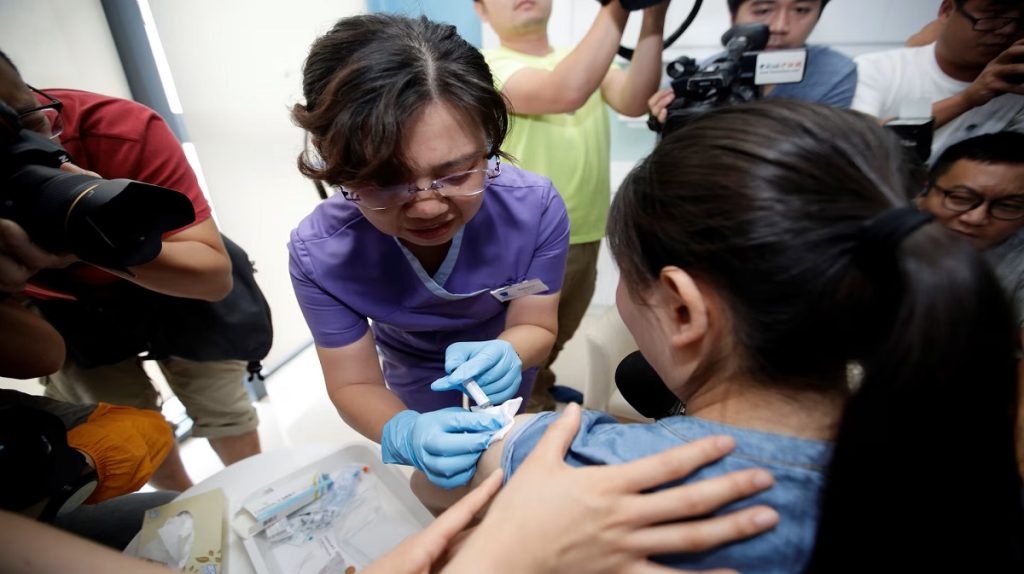
WHO stresses that cervical cancer is both preventable and curable through vaccination, screening and early treatment. The organisation recommends HPV vaccination for all girls aged 9 to 14, before they become sexually active, and routine cervical screening from age 30, or 25 for women living with HIV.
However, unequal access to vaccines, screening and treatment continues to drive higher death rates in regions such as sub-Saharan Africa, Central America and Southeast Asia.
In 2020, 194 countries launched a global strategy to eliminate cervical cancer, setting targets to be achieved by 2030. These include vaccinating 90% of girls against HPV by age 15, screening 70% of women by ages 35 and 45, and ensuring 70% of those diagnosed receive treatment.
WHO estimates that meeting these targets could prevent 74 million new cases and avert 62 million deaths by 2120, transforming cervical cancer from a deadly disease into a public health success story.
–UN/ChannelAfrica–


