


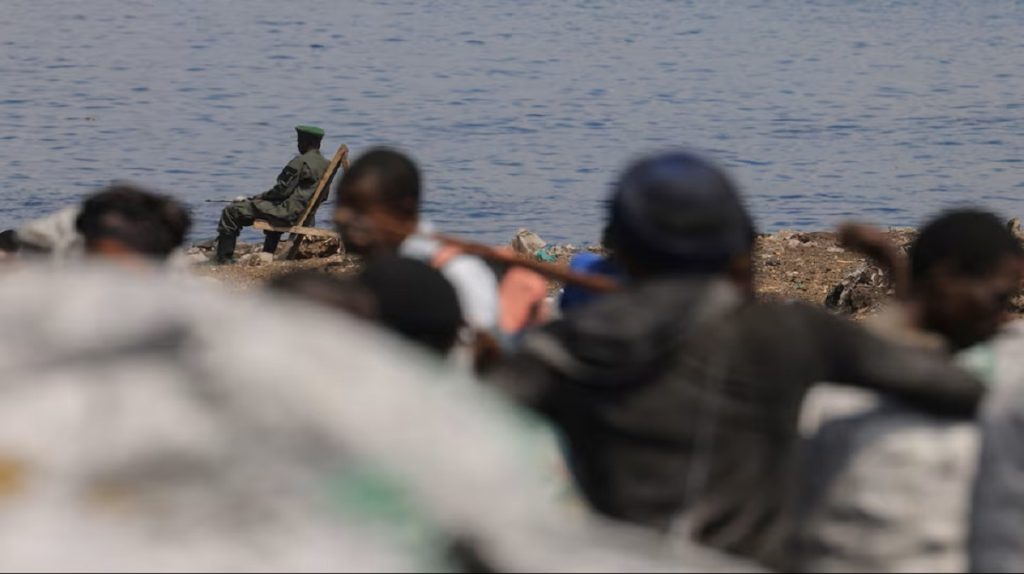
This is as fighting in the eastern Democratic Republic of Congo (DRC) continues to fuel displacement, civilian suffering and regional instability.
Uvira lies along the frontier between the DRC and Burundi, making its fall strategically and symbolically significant. Speaking at an extraordinary meeting of ICGLR defence experts in Livingstone, Zambia, the bloc’s Deputy Executive Secretary, Yasir Mohammed, warned that the conflict is inflicting immense human suffering, triggering mass displacement and severely disrupting humanitarian operations.
The renewed violence comes amid growing concern that instability in eastern Congo is spilling across borders, undermining security in the wider Great Lakes region. Aid agencies have repeatedly cautioned that access to vulnerable communities is shrinking as armed groups expand their control.
Conflict resolution expert Dr David Matsanga told broadcaster Unathi Batyashe that the crisis in Congo has persisted for decades, costing countless lives and destabilising neighbouring countries, while regional and international responses have failed to deliver lasting peace.
Matsanga argued that the conflict in eastern DRC is often misunderstood as being driven solely by competition over minerals. Instead, he said, armed groups are pursuing deeper political objectives, including demands linked to autonomy and statehood in the east.
He was sharply critical of the Congolese Government’s handling of regional peace initiatives, claiming that African-led mediation efforts had been undermined. Matsanga pointed to initiatives spearheaded by regional leaders, including the President of Angola and former President of Kenya, Uhuru Kenyatta, which sought to address the conflict through East African and Great Lakes mechanisms.
According to Matsanga, these processes were abandoned when President Félix Tshisekedi turned away from African-led solutions in favour of alternative international engagements. He warned that this shift had weakened the effectiveness of regional bodies such as the ICGLR.
“The resolutions will be made, but they will not be effective,” he said, arguing that without genuine political commitment from Kinshasa, regional conferences and diplomatic forums would struggle to bring meaningful change.
The ICGLR has reiterated calls for renewed dialogue and coordinated regional action, warning that continued fighting around towns such as Uvira risks further displacement, worsening humanitarian conditions and prolonged instability across the Great Lakes region.
–ChannelAfrica–


