


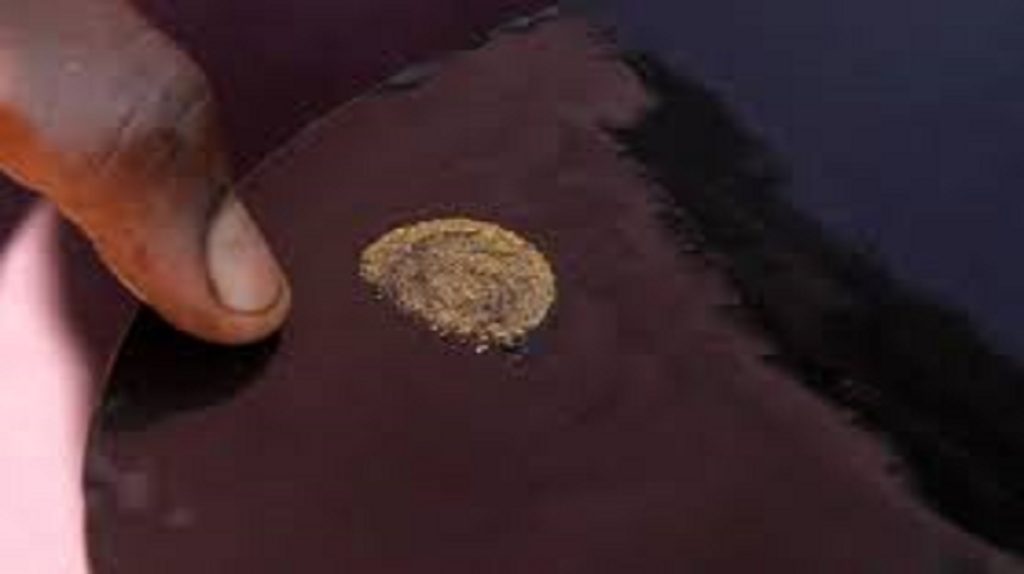
The TanTrade report shows that Tanzania’s exports to SA nearly doubled over the period, rising from an average of about $1.145 million in 2020 to roughly $2.293 million in 2024.
While gold accounts for the overwhelming share of export value, Tanzania also ships agricultural products such as tobacco and coffee, along with apparel and mineral fuels. Speaking to Channel Africa on Tuesday, Donald MacKay, Chief Executive Officer of XA Global Trade Advisors, said the surge is overwhelmingly linked to gold.
“The increase really is gold. There has been some growth in other products like coffee, but gold is absolutely dominant,” MacKay said. “SA brings in a lot of gold from other African states to refine and very often to store here on their behalf.”
MacKay explained that much of the gold exported from Tanzania is likely sent to SA in an unprocessed form, refined locally, and then stored until it is sold to buyers elsewhere. He noted that similar dynamics previously affected SA’s trade figures with the United States, where gold held in SA vaults on behalf of other countries was later sold onward.
On the role of regional trade agreements, MacKay said the Southern African Development Community Free Trade Protocol has had little impact on gold exports, but may have supported growth in other sectors.
“For gold, it makes no difference,” he said. “But for products like apparel, which would normally face duties of around 45%, duty-free access under Southern African Development Community could certainly have helped.”
He added that increased foreign investment, particularly from China, has expanded Tanzania’s production capacity in some sectors, contributing to export growth.
Assessing SA’s importance as an export destination, MacKay said Tanzania continues to trade heavily within East Africa and also benefits from access to markets under the Common Market for Eastern and Southern Africa. As a result, SA is one of several important outlets rather than a dominant destination.
On competitiveness, he noted that while Tanzanian apparel exports have grown, the country remains a relatively small supplier compared with major producers in Asia. However, Chinese-backed manufacturing operations in Tanzania and other African countries are becoming increasingly competitive.
Looking ahead, MacKay cautioned against reading the recent export surge as a sign of a broader, sustainable shift in intra-African trade.
“If you take gold out of the picture, there is no strong and obvious pattern,” he said. “It is good news if SA is refining gold on Tanzania’s behalf, but it is unlikely that this alone signals a larger or more durable trend.”
–ChannelAfrica–


