


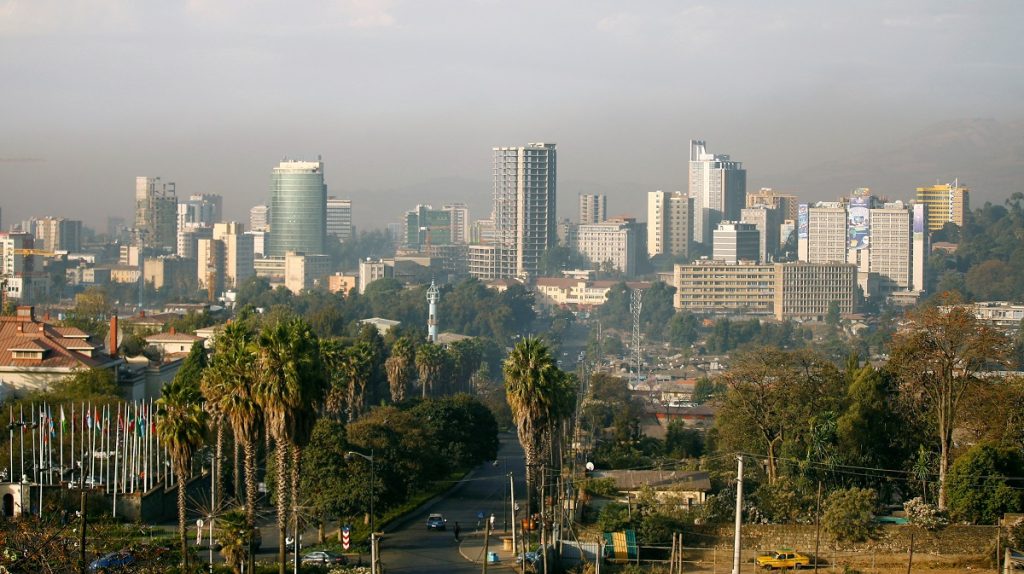
According to the latest international assessment, the authorities’ reform programme is starting to ease long-standing imbalances, although risks linked to inflation, debt and regional insecurity remain elevated.
The report notes that Ethiopia’s transition to a more market-determined exchange rate has helped reduce foreign currency shortages that have constrained businesses and investors for years. Export competitiveness has improved, supported by agriculture, manufacturing and a gradual recovery in services, including aviation and logistics. Remittance inflows have also strengthened, providing an important buffer for households and the balance of payments.
Growth is projected to remain robust in 2026, keeping Ethiopia among Africa’s faster-expanding economies. Large-scale public infrastructure projects continue to underpin activity, while private sector participation is expected to increase as reforms progress. However, the assessment cautions that sustaining growth will depend on maintaining policy discipline and avoiding a return to distortionary controls.
Inflation remains a central concern. Although price pressures have eased from previous peaks, food and fuel costs continue to weigh heavily on low-income households. The report stresses the importance of targeted social spending to protect the most vulnerable, particularly in urban centres and drought-prone regions. Strengthening safety nets is seen as critical to preserving public support for reforms.
On public finances, the government has made progress in revenue mobilisation and expenditure control, but debt vulnerabilities persist. The assessment urges continued engagement with international partners and creditors to ensure debt sustainability, while prioritising spending on health, education and climate resilience. Ethiopia’s exposure to climate shocks, including recurrent droughts and flooding, remains a structural risk to both growth and social stability.
Regionally, Ethiopia’s economic trajectory has wider implications for the Horn of Africa. As a key trade and transport hub, improved stability and growth could support cross-border commerce and integration. However, the report warns that security challenges and geopolitical tensions could quickly undermine recent gains if not carefully managed.
–IMF/ChannelAfrica–


