


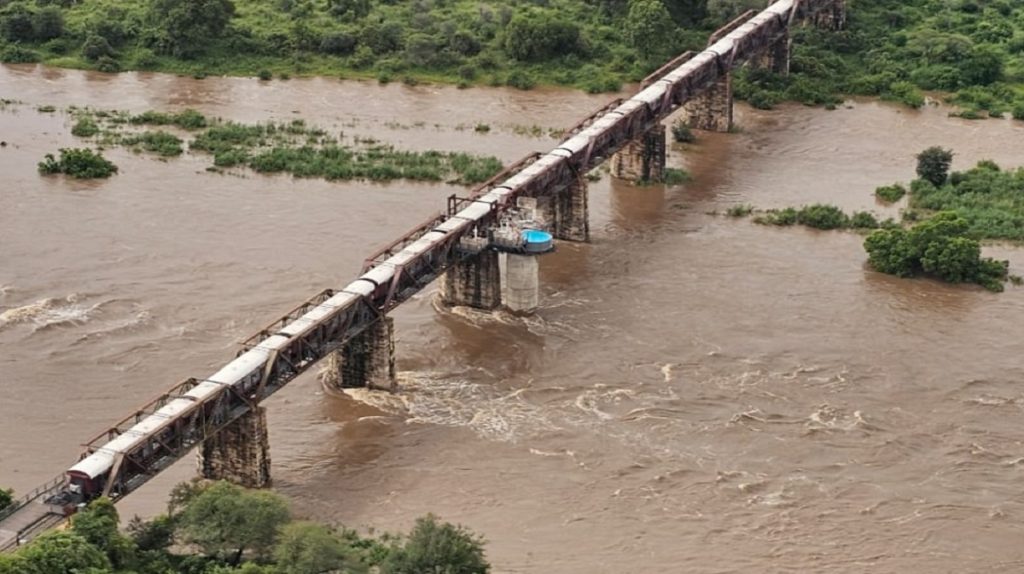
This follows warnings from the SA Medical Research Council (SAMRC) about the heightened risk of waterborne diseases in parts of Mpumalanga and Limpopo.
The SAMRC has cautioned that stagnant water, damaged sanitation systems and compromised infrastructure could expose residents to illnesses such as cholera, typhoid and diarrhoeal infections. Severe weather conditions across at least five provinces triggered widespread flooding last month, prompting the government to declare a national disaster.
Deputy Minister of Water and Sanitation David Mahlobo said the department had intensified its monitoring efforts to ensure that water supplied to residents remains safe.
“All our department officials, working with municipalities, our water boards and laboratories across SA, have heightened water quality testing because it is the most important aspect,” Mahlobo said.
He added that water treatment plants had been instructed to adjust their processes as a precautionary measure.
“More importantly, all our water treatment works, as part of their standard operating procedures, must increase chemical dosing at the point where water enters the system. They will also manage chlorination levels carefully. These are essential precautionary steps,” he explained.
Mahlobo emphasised that communities would be kept informed about the status of their drinking water. “We must be in a position to communicate those water test results to communities,” he said.
The department has urged residents in flood‑affected areas to remain vigilant, follow official water‑use advisories, and report any concerns to local authorities.
–SABC/ChannelAfrica–


