


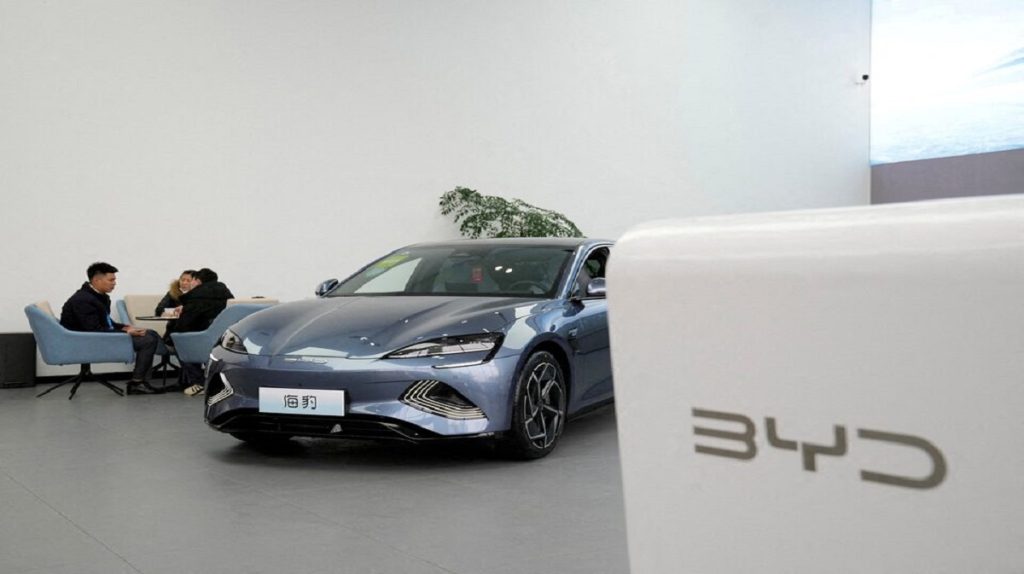
Industry bodies warn that the tariff, which could rise from about 25% to as high as 50%, may add roughly $2 500 to the price of some of the country’s most affordable vehicles. The proposed increase represents the maximum rate permitted under World Trade Organisation rules.
By early 2026, 19 of SA’s 20 cheapest passenger cars were imported from China or India, highlighting the country’s heavy reliance on these markets for affordable mobility. The only exception among the lowest-priced models was the Kia Picanto, imported from South Korea.
The Motor Industry Staff Association has cautioned that introducing such tariffs at this stage could have unintended consequences, particularly for employment. The association notes that thousands of jobs across dealerships, servicing, financing and logistics are supported by the sale of imported vehicles, many of which cater to first-time buyers and lower-income households.
Cars.co.za Chief Marketing Officer Nicole Capper Austin said the potential tariff hike would be felt most acutely by consumers rather than manufacturers. She explained that tariffs tend to translate directly into higher monthly instalments, at a time when consumers are already highly price-sensitive and increasingly focused on the total cost of ownership.
According to market data, SA car buyers have become more informed and cautious, often comparing features, fuel efficiency and maintenance costs in detail before making purchasing decisions. Chinese brands, in particular, have gained market share over the past five years due to competitive pricing and feature-rich models, with earlier concerns about reliability and parts availability now playing a lesser role in buyer decisions.
Capper Austin added that while tariffs may encourage debate about local manufacturing, they are not a quick fix. She suggested that deeper localisation, including expanded semi-knockdown and fully knockdown assembly of imported brands, could offer a more sustainable path to industry growth if implemented carefully.
Dealerships that rely heavily on imported models may face increased pressure if prices rise sharply, with concerns that higher costs could dampen demand and slow the introduction of newer technologies, including electric vehicles.
As government consultations continue, industry stakeholders are urging a balanced approach that protects jobs, supports localisation and avoids placing additional financial burdens on consumers.
–ChannelAfrica–


