


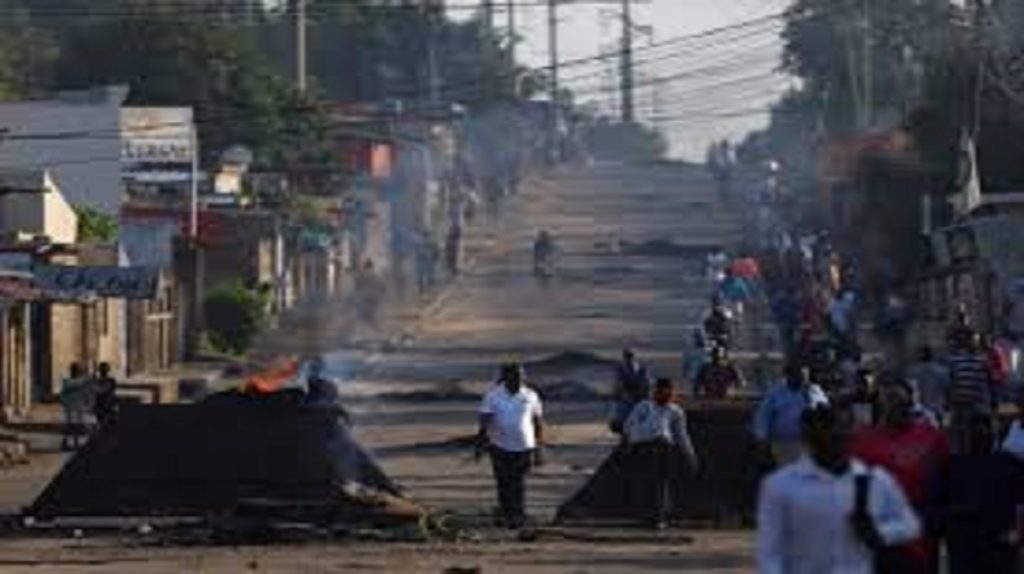
Addressing the humanitarian crisis in northern Mozambique is a prerequisite to achieving lasting peace in the region, according to Wilker Diaz, Director of Decide Platform Mozambique.
Speaking after a high-level roundtable at the University of Pretoria in South Africa, Diaz highlighted that communities in Cabo Delgado, Nampula, and Niassa are struggling with basic survival needs, and these must be met before dialogue and reconciliation efforts can succeed.
The discussion, convened by Decide Platform Mozambique in partnership with the Mediation Centre in Africa (CMA), brought together academics, security specialists, and practitioners to explore both humanitarian and security solutions to the escalating conflict. Diaz noted that while global attention often focuses on crises elsewhere in Africa, the situation in northern Mozambique poses a significant risk to regional stability within the Southern African Development Community (SADC).
Experts at the roundtable highlighted the need for community engagement, technological investment, and regional collaboration to counter rising terrorist activity. The conflict has intensified in mineral-rich areas, with over 600 attacks recorded across Cabo Delgado, Nampula, and Niassa in the past two years, contributing to widespread displacement and insecurity.
According to Diaz, providing basic conditions such as food security, safe living environments, and psychosocial support is critical to restoring dignity and enabling communities to participate in dialogue and peacebuilding efforts. He added that universities and research institutions play an important role in generating evidence-based strategies alongside local knowledge.
Decide Platform Mozambique plans to translate the discussions into concrete action by continuing on-the-ground support, strengthening international advocacy, and engaging regional leaders. A new office in Johannesburg will serve as a hub for co-ordination with other organisations and academic institutions to promote both humanitarian relief and longer-term solutions.
–ChannelAfrica–


