

Addressing Member States at a special session of the UN Human Rights Council in Geneva on Monday, Türk said: “We can only expect worse to come” unless decisive action is taken.
He reiterated his call for the Darfur‑specific arms embargo to be expanded to cover the whole of Sudan, arguing that the continued inflow of weapons is fueling atrocities across the country.
The High Commissioner detailed harrowing accounts from survivors of atrocities committed in El Fasher, the capital of North Darfur, after it was overrun by the paramilitary Rapid Support Forces (RSF) last October.
In one of the most disturbing incidents recounted, consistent testimonies from survivors in different locations reported the mass killing of hundreds of civilians sheltering at El Fasher University. Many victims were allegedly targeted because of their non‑Arab ethnicity, particularly members of the Zaghawa community.
Survivors described “piles of dead bodies along roads leading away from El Fasher”, scenes one witness compared to the Day of Judgment.
The findings echo those of the International Criminal Court (ICC), which last month concluded that war crimes and crimes against humanity had taken place during the RSF’s siege of the city.
“Our own findings are fully consistent with the ICC assessment,” Türk told the Council.
Türk said his office had previously warned of looming mass killings, including ahead of the RSF assault on Zamzam displacement camp in April 2025.
“Responsibility for these atrocity crimes lies squarely with the RSF and their allies,” he said.
The Sudanese conflict erupted in April 2023 following the collapse of a fragile power‑sharing agreement between the Sudanese Armed Forces and the RSF, plunging the country into one of the world’s most severe humanitarian crises.
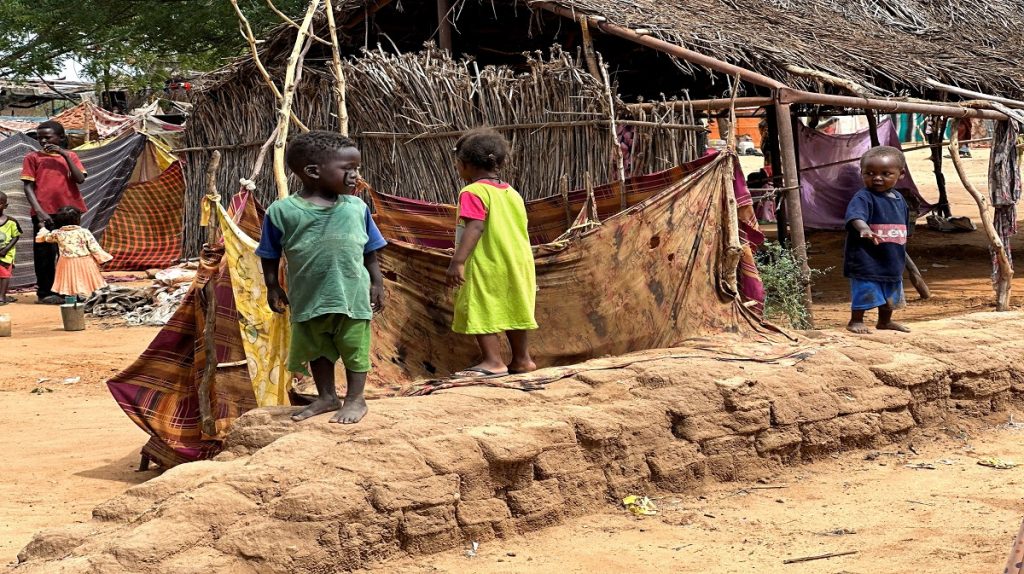
More than 30 million people have now been affected by the conflict. Many have been displaced multiple times, while others face famine and widespread sexual violence, including gang rape.
As fighting spreads from the Darfur region into the central Kordofan states, human rights observers fear further atrocities, including through the use of advanced drone weaponry by both sides.
Türk said that in recent weeks, SAF and allied forces had broken RSF sieges on Kadugli and Dilling, but both sides continue to conduct drone strikes that have resulted in dozens of civilian deaths.
“Civilians are at risk of summary executions, sexual violence, arbitrary detention, and family separation,” he warned.
To help halt the bloodshed, the High Commissioner announced a series of commitments aimed at supporting mediation and reducing civilian harm. These include, no targeting of civilians or residential areas with explosive weapon, unimpeded humanitarian access, an end to arbitrary detention, and a halt to all attacks on civilian infrastructure.
Türk cited the devastating impact of RSF attacks on the Merowe dam and hydroelectric power station, once responsible for supplying 70% of Sudan’s electricity.
“Repeated drone strikes have disrupted power and water supplies to huge numbers of people, with a serious impact on healthcare,” he said.
The High Commissioner’s intervention reflects mounting frustration within the UN system over the lack of decisive international action despite mounting evidence of systematic atrocity crimes.
Human rights advocates warn that unless the global community intervenes, including by enforcing an expanded arms embargo and supporting meaningful peace efforts, Sudan risks plunging even deeper into one of the worst humanitarian and human rights disasters of the decade.
–UN/ChannelAfrica–


