

The investment will support the Urban Water Supply and Sanitation Project, which is expected to benefit more than half a million people in the rapidly growing towns of Dollow, Qardho and South Galkayo, where safe drinking water remains scarce, and climate‑related shocks are intensifying.
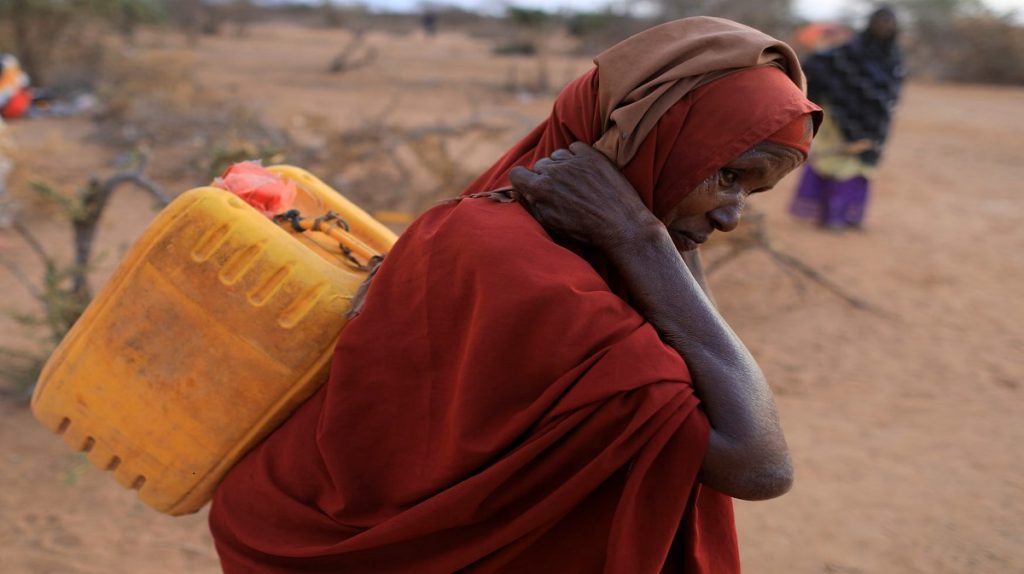
Water scarcity continues to have a profound impact on Somali households, particularly women and children who spend hours each day collecting water. Poor sanitation facilities fuel disease outbreaks and undermine health, dignity and productivity. The newly approved project aims to transform these conditions by delivering reliable water supply systems, improved sanitation facilities and stronger hygiene practices across communities.
Approved on January 28, the financing will be used to expand and rehabilitate critical water and sanitation infrastructure. It will support the installation of 40 kilometres of transmission and distribution pipelines, the drilling or rehabilitation of 42 boreholes, and the construction of four water treatment plants and three new water quality testing laboratories.
The project will also provide 26 generators as backup power for solar systems across the three towns. Alongside water infrastructure, the project will address urgent sanitation challenges. An estimated 915 shared household latrines will be built, and mobile desludging units will be introduced to tackle overflowing waste in densely populated communities. A hygiene promotion campaign focusing on menstrual health will target around 30 per cent of the population, aiming to break cycles of disease and promote dignity and awareness.
Strengthening local institutions is a core component of the programme. Around 100 staff from federal member states will receive training in digital systems for water quality monitoring, groundwater assessment, budgeting, infrastructure maintenance and regulatory coordination. The project will also offer skills training for young people from marginalised groups in pipeline installation, borehole drilling, reservoir rehabilitation and water treatment plant construction, opening pathways into technical careers.
The ADF expects the project to deliver wide‑ranging social and economic benefits. Reductions in waterborne diseases will ease pressure on families and health facilities. Time saved from not having to walk long distances for water is expected to boost productivity, while improved sanitation and hygiene are likely to encourage better school attendance, particularly for girls.
Strengthened operations and maintenance capacities within local water utilities should ensure that the project’s gains last well beyond the life of the investment. The African Development Bank’s Lead Advisor for Somalia Operations, Bubacarr Sankareh, said the investment marks a significant step forward in improving essential services.
“This investment deepens our engagement in Somalia and marks another important step toward improving access to reliable water supply and sanitation services. By expanding resilient urban systems, we are enhancing health and hygiene and building local capacity,” he said.
–AfDB/ChannelAfrica–


