


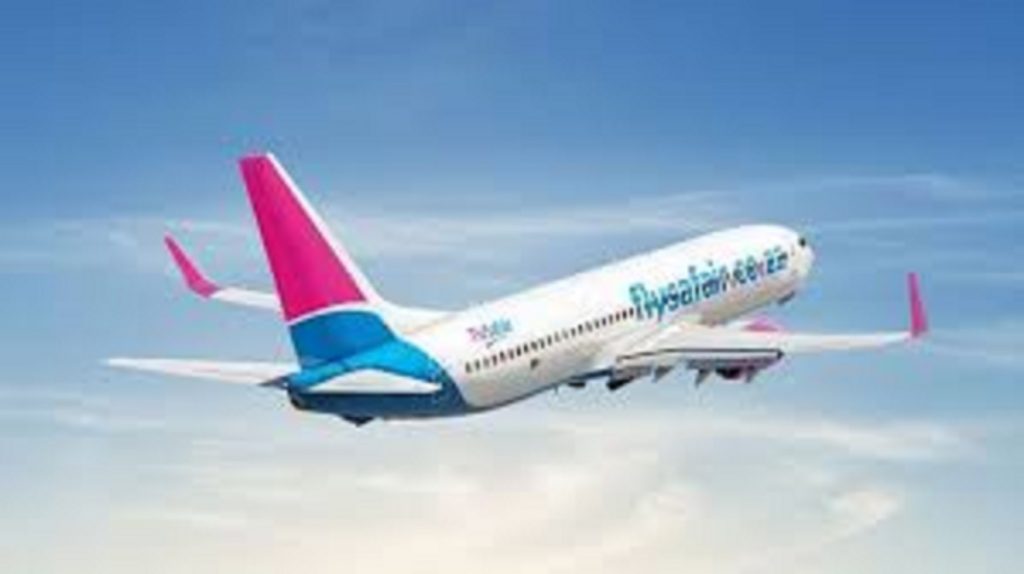
Reports indicate that negotiations are at an advanced stage, although the deal remains subject to regulatory approval, including competition authorities and two aviation licensing bodies.
The transaction is expected to ease regulatory pressure on FlySafair following findings by the Domestic Air Services Council in 2024 that the carrier was in breach of the Air Services Licensing Act. The Act requires that at least 75% of voting rights in a domestic airline be held by SA residents.
FlySafair had failed to meet that threshold because its majority shareholder, the Irish leasing group ASL, held 75% of the airline. Harith’s acquisition would bring the airline into full SA ownership.
Aviation Analyst Guy Leitch told Channel Africa on Wednesday that the deal is highly significant because FlySafair has grown into the country’s largest carrier. It now transports almost two-thirds of SA’s domestic passengers and is steadily expanding across Southern Africa. He said the acquisition would have substantial implications for how airlines operate and compete in the region.
Leitch said Harith’s entry into the aviation sector sends a mixed message about investor confidence. On one hand, ASL’s exit reflects a belief that the airline has reached the end of its strongest growth phase. On the other hand, Harith, already invested in transport infrastructure such as Lanseria Airport and the Beitbridge border link to Zimbabwe, appears convinced that FlySafair remains a commercially attractive asset.
Leitch noted that airlines are typically risky investments because they are capital and skills-intensive and operate on thin margins. FlySafair, however, has performed exceptionally well and is believed to have generated strong profits, which may have influenced Harith’s decision.
On the issue of ownership compliance, Leitch said the solution is straightforward. Harith is a wholly SA company, which means FlySafair will immediately meet the 75% local ownership rule once the acquisition is completed. He added that SA’s ownership regulations are unusually strict compared to global norms, where many countries permit majority foreign ownership.
Leitch also addressed the broader significance of Harith’s growing footprint in aviation. He said the firm’s major shareholder, the Public Investment Corporation (PIC), which holds 30%, has raised concerns about whether pension funds could end up indirectly financing the operation of the airline. He said past criticism of the PIC for politically influenced investment decisions highlights the importance of strict oversight.
Harith has insisted that FlySafair’s capable management team will continue operating independently, but Leitch expressed some scepticism. He pointed out that since Harith is a key investor in Lanseria Airport and FlySafair already operates there, pressure to increase passenger volumes through Lanseria would be a logical but potentially commercially complex expectation.
On the competitive landscape, Leitch said the acquisition is unlikely to propel FlySafair far beyond its current position for two main reasons. First, he is prepared to take Harith at its word that it will not interfere directly in the airline’s operations. Second, while enhanced access to capital may help FlySafair expand, the airline had already secured its large fleet procurement deal prior to Harith’s involvement.
FlySafair is receiving several new Boeing 737 Max aircraft, each valued at around $100 million, and those transactions have already been finalised.
Leitch cautioned that SA’s weak economic growth limits the potential for rapid expansion. He pointed to a recent growth figure of around 1% and the strong correlation between gross domestic product growth and aviation demand. He suggested that these constraints likely contributed to ASL’s decision to sell. Although FlySafair has performed well since the COVID era, overall passenger numbers in SA have only just returned to 2019 levels, which is about 35% lower than where the market should have been had growth continued along its pre-pandemic trend.
–ChannelAfrica–


