


Uganda is reinforcing its ability to deal with public health emergencies as the country faces a steady pattern of disease outbreaks and climate-related disasters.
In the first three months of 2025 alone, authorities recorded 10 emergencies, most of them linked to infectious diseases such as Ebola, Mpox, Measles, Anthrax and Yellow Fever. Floods and landslides added further strain to an already pressured health system.
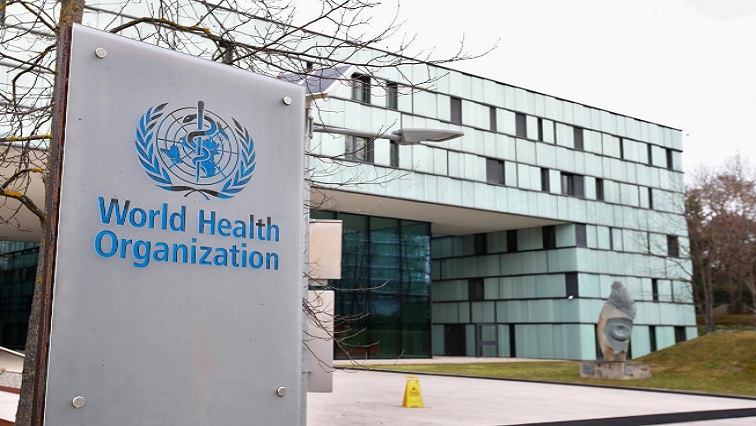
A key part of the response has been the presence of World Health Organisation (WHO) District Health Management teams working directly with local health offices and Regional Emergency Operations Centres. These teams support surveillance, coordination and rapid response at district level, helping authorities detect and manage threats more quickly.
Recent Ebola cases in Mbale, Fort Portal, Jinja and the Kampala Metropolitan Area exposed weaknesses in early detection and coordination, prompting renewed focus on preparedness.
“WHO has always been with us during the hard times when responding to public health emergencies. The field teams stay on to ensure that emergency actions become part of our routine systems,” said Dr Jonathan Wanjisi, District Health Officer for Mbale.
Beyond immediate outbreak response, WHO teams remain embedded in districts to strengthen infection control, reporting and planning. Strategic risk assessments carried out in affected areas have helped identify hazards ranging from disease outbreaks to floods and landslides, with many of these assessments feeding directly into improved contingency plans.
Simulation exercises have also been used to test readiness, highlighting gaps in areas such as sample transport and coordination between partners. Addressing these issues has improved districts’ ability to respond without relying heavily on external emergency teams.
Health officials say this approach is helping districts move from reacting to crises to preparing for them. Further plans include expanding risk assessments to more high-risk areas, improving logistics for emergency supplies and strengthening training for local health workers.
Uganda’s experience is increasingly seen as an example of how sustained, on-the-ground technical support can strengthen local health systems to better withstand recurring emergencies.
–ChannelAfrica/WHO–


