


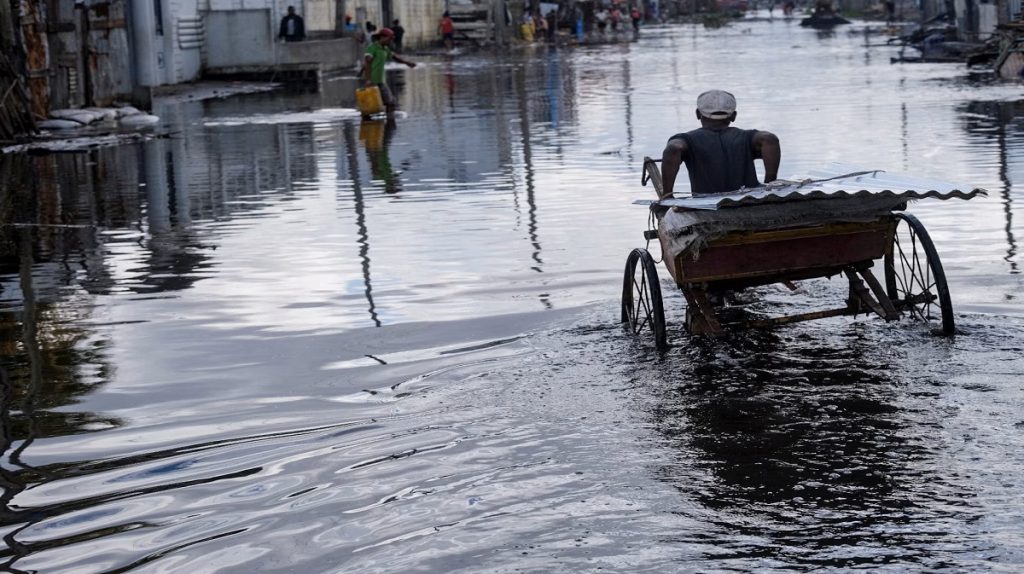
The World Food Programme (WFP) said on Friday that some 400 000 people are now in acute need of assistance after two major storms struck the island within three weeks.
Speaking from the capital Antananarivo, WFP Country Director Tania Goossens said the scale of destruction in Toamasina was overwhelming. The cyclone made landfall on Tuesday evening, bringing wind gusts of up to 250 kilometres per hour and flattening large parts of the port city, Madagascar’s second largest urban centre.
Goossens said initial assessments show that 80% of the city sustained damage and that the electricity supply is down to around five per cent. She added that Toamasina currently has no running water and that one of WFP’s warehouses, as well as its office, was completely destroyed.
According to the authorities, at least 38 people have died and 374 have been injured. The full toll is expected to rise as access improves and more assessments are conducted.
Goossens described scenes of families sifting through the remains of their homes, trying to salvage their belongings. Many are sleeping in buildings without roofs or in makeshift shelters after the cyclone caused severe damage to businesses, schools, homes and the city’s main hospital. She said uprooted trees and debris are blocking streets. Fuel shortages are compounding the crisis.
Families are telling humanitarian workers that they have lost everything and do not know how they will access their next meal. Goossens emphasised that in addition to food, there are serious concerns about water, sanitation and hygiene conditions. Damaged systems, contaminated water sources and lack of safe drinking water heighten the risk of disease outbreaks. Protection risks are also rising, particularly for women, children, older people and persons with disabilities.
Ahead of the cyclone, WFP and its partners provided cash assistance to vulnerable households so that families could purchase food and prepare for the storm. The agency is now distributing its remaining food stocks in coordination with national disaster authorities. However, Goossens said the needs far exceed available resources, and additional donor support is urgently required.
She warned that the disaster comes on top of an already severe food security crisis. Before the cyclones, 1.57 million people in Madagascar were food insecure, including 84 000 facing emergency levels of hunger, according to data from the Infection Prevention and Control, the global food security monitoring system.
The country is also in the peak of the lean season, when food stocks are traditionally lowest. WFP faces an $18 million funding gap for its lean season and cyclone response over the next six months.
Goossens said sustained support will be needed for months to come to help affected communities recover, rebuild and strengthen their resilience. She added that Madagascar is only at the start of the cyclone season and warned that the humanitarian situation could worsen if more storms hit the island.
–UN/ChannelAfrica–


