


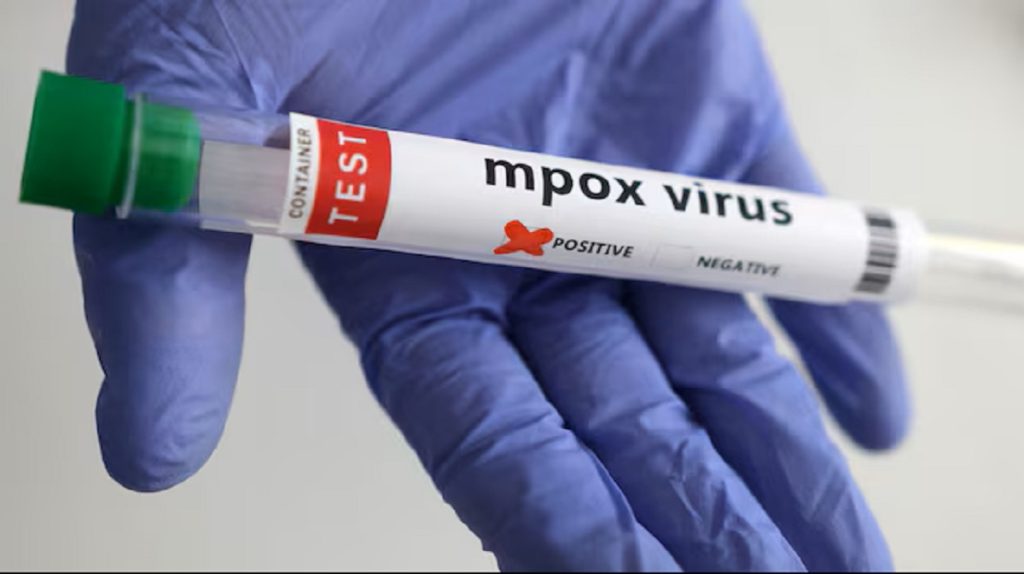
Although the finding does not alter the current global public health risk assessment, WHO said the development underscores the importance of ongoing monitoring and sequencing.
Two cases of the recombinant strain, which combines genomic elements of clades Ib and IIb of the monkeypox virus, have been confirmed so far: one in the United Kingdom (UK) and one in India. Both patients had recent travel histories and experienced mild illness, and no secondary cases were detected following contact tracing.
Recombination can occur when two related viruses infect the same person and exchange genetic material. WHO said detailed genomic analysis shows the two individuals fell ill several weeks apart with the same recombinant strain, suggesting there may be additional undetected infections.
Mpox, caused by the monkeypox virus, spreads through close physical contact, including sexual contact, and through contaminated materials or respiratory droplets. Symptoms typically include fever, swollen lymph nodes and a rash or lesions.
The case detected in the UK involved a traveller who fell ill in December 2025 after returning from the Asia Pacific region. While initial testing identified the virus as clade Ib, whole genome sequencing revealed the presence of genetic regions from clade IIb as well. Repeat sequencing confirmed the virus could replicate and presented potential for onward transmission.
The Indian case, involving a patient who developed symptoms in September 2025, was initially classified as clade II, but a later review of global genomic databases confirmed it as the same recombinant strain. This makes the Indian case the earliest known detection.
WHO said it is too early to draw conclusions about transmissibility or clinical characteristics of the recombinant strain. Clinical symptoms in both cases were consistent with other Mpox infections.
The organisation said clade differentiation Polymerase Chain Reaction tests may not reliably detect recombinant strains, making full genomic sequencing essential. WHO advised countries to maintain surveillance, sequencing and vaccination of high‑risk groups but emphasised that no travel or trade restrictions are warranted at this time.
–UN/ChannelAfrica–


