


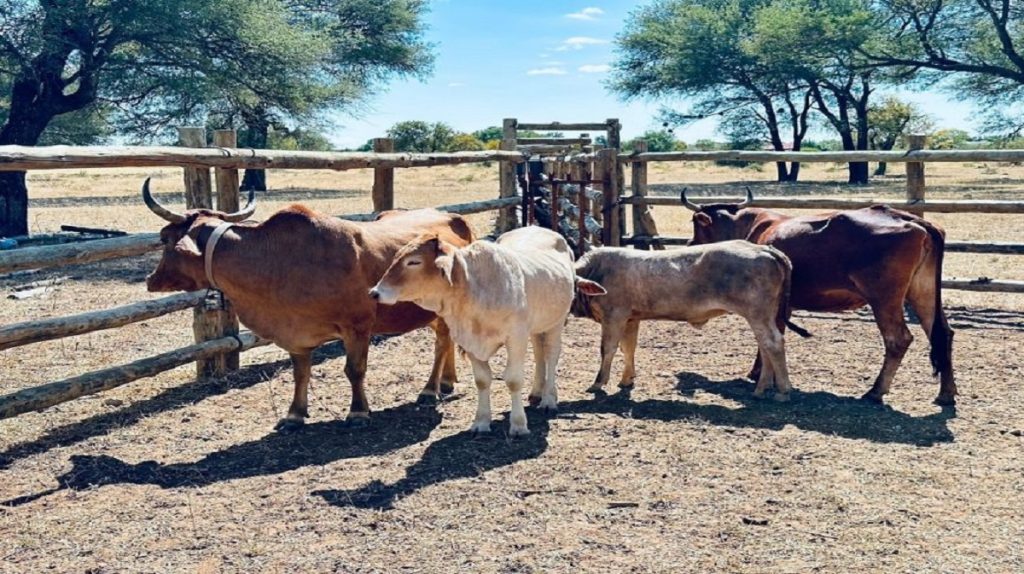
The move adds to growing regional restrictions, after China, Namibia and Botswana imposed similar bans in response to rising cases across SA.
SA President Cyril Ramaphosa declared the outbreak a National Disaster last week, enabling a faster, more coordinated response.
SA’s Department of Agriculture continues to roll out emergency vaccination programmes aimed at containing the spread and protecting the national herd. Moses Rannditsheni, Director of Media and External Communication at the Department, told Channel Africa that the disaster declaration has helped accelerate procurement processes and unlock funding.
“The declaration helps with the flexibility in procurement of vaccines and other processes which would otherwise take a long time. It also helps with possible funding from the National Treasury, the tightening of biosecurity, and potential legal amendments so that we have a different approach to respond to the FMD crisis,” he said.
Rannditsheni said the Department is in regular communication with neighbouring countries over the bans. He noted that SA understands their caution, saying the country would take the same steps if the situation were reversed. However, he expressed confidence that the situation will improve as vaccination efforts intensify.
“We kick‑started vaccination with the ARC vaccine, and this weekend we are expecting one million vaccines from Biogenesis in Argentina. We will start to turn our situation around, and once that takes effect, we expect these countries to reverse their decisions,” he said.
On the economic impact of the bans, Rannditsheni said the affected countries do not import large volumes of livestock from SA, but the restrictions still pose risks for farmers and the broader agricultural sector.
“The impact includes loss of income for farmers, reduced revenue for the country and potential strain on agricultural growth. The biggest concern is the effect on food security,” he said.
–ChannelAfrica–


