


This is according to a new assessment released by the Integrated Food Security Phase Classification (IPC) global hunger monitoring system.
The IPC report shows that between December 2025 and March 2026 around 1.25 million people will experience emergency levels of acute food insecurity. This category is characterised by large food consumption gaps and high levels of acute malnutrition. Humanitarian agencies warn that immediate lifesaving assistance is needed to prevent a “catastrophe” for those most at risk.
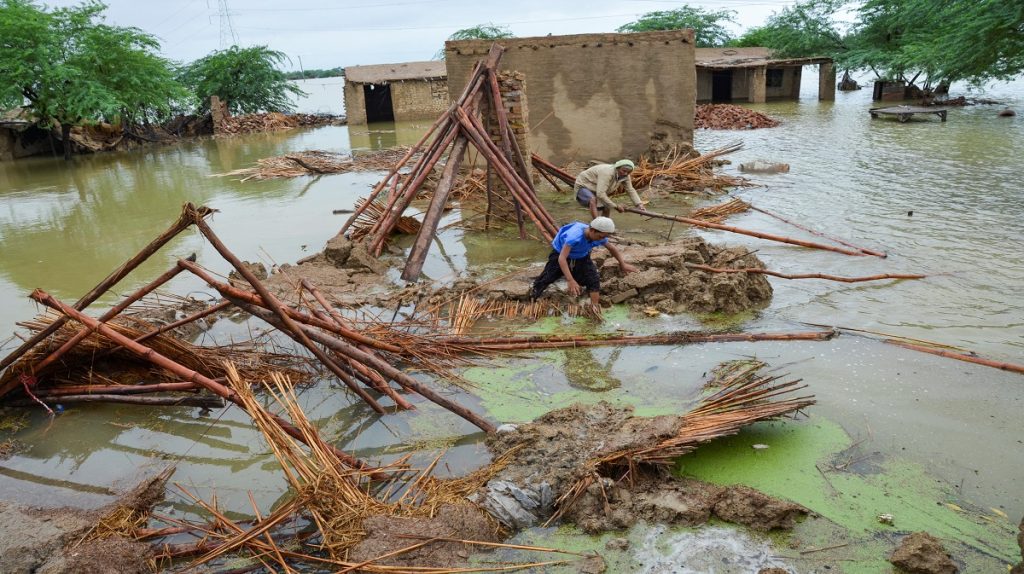
The report identifies several compounding drivers behind the crisis. Residual impacts of the 2025 monsoon floods, combined with drought and localised insecurity, have weakened agricultural and pastoral livelihoods, reduced crop production and disrupted markets. These shocks have left households with minimal coping capacity.
Seasonal pressures have added to the strain. The lean season, from December to February, typically reduces farm labour availability and income opportunities. Harsh winter weather in some regions has further limited physical access and worsened livelihoods. Weak purchasing power, dependence on volatile markets and rising household indebtedness have also eroded food access, with wheat flour singled out as a major concern during the lean season.
The severity of hunger varies across the country. Balochistan recorded the highest proportional burden, with 25% of the assessed population facing high levels of food insecurity. More than three million people in Sindh are also in crisis or worse. In Musakhel, Zhob, Kachi, Tank and Torghar districts, around 30% of people are in at least high levels of food insecurity.
Looking ahead to April to September, the IPC projects a slight improvement, with 6.7 million people expected to remain in crisis levels or worse, a reduction of around 855 000 from the current period. Seasonal factors such as winter crop harvesting and Eid‑related livestock sales may temporarily ease conditions, although high food prices, climate risks, insecurity and cross‑border trade constraints are likely to persist.
The report calls for scaling up access to nutritious food through cash transfers, vouchers and targeted in‑kind assistance to close consumption gaps and protect lives.
–UN/ChannelAfrica–


