


UNICEF warned that their continued imprisonment poses serious risks to their well-being and long‑term development.
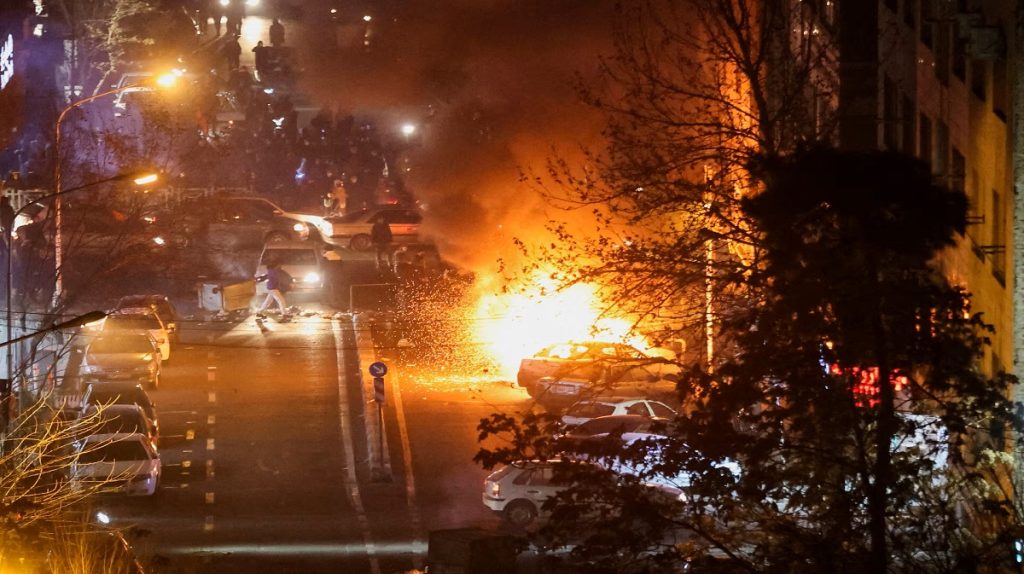
Widespread protests erupted across several Iranian cities in late December 2025, triggered by soaring inflation, sharp rises in food prices and the collapse of the national currency. The demonstrations were met with a forceful and deadly security response, leading to hundreds of arrests, including minors.
In a statement on Thursday, UNICEF Regional Director for the Middle East and North Africa, Edouard Beigbeder, said the agency was deeply troubled by reports that children remain in detention weeks after the unrest.
“While the number of children currently detained, or the conditions of their detention, cannot be verified, we urge that immediate, independent access be granted to all detained children to assess their situation, treatment and well‑being,” he said.
Beigbeder stressed that the detention of children can have irreversible consequences. “Children are not ‘little adults’. They require special care. Deprivation of liberty entails life‑lasting consequences to the development of the child, and to the future of society overall.”
He emphasised that children deprived of their liberty must be treated with humanity and dignity and allowed regular contact with their families, describing these requirements as binding obligations under international law. Iran is a party to the Convention on the Rights of the Child, which obliges states to respect, protect and fulfil children’s rights, including the right to freedom and due process.
UNICEF called for an end to the detention of children in all forms and demanded the immediate release of those held in connection with the recent protests.
Meanwhile, at UN Headquarters in New York, Spokesperson Stéphane Dujarric expressed concern about rising military tensions in the Persian Gulf, citing increased war games and military build‑ups. He said the UN continues to encourage Iran and the United States to pursue discussions facilitated by Oman in an effort to ease regional strains.
–UN/ChannelAfrica–


