


Addressing the Council on Thursday, Under‑Secretary‑General for Political Affairs Rosemary DiCarlo said Sudan had reached a “horrific milestone” last month: 1 000 days of conflict between the Sudanese Armed Forces and the Rapid Support Forces (RSF). She described it as “1 000 days of staggering violence and unimaginable suffering” marked by “total impunity” for perpetrators of atrocities.
As the conflict approaches its third anniversary in April, fighting continues to intensify. DiCarlo said front lines have shifted across North Darfur, North Kordofan, South Kordofan and Blue Nile states, with drone strikes and aerial attacks by both sides becoming “a defining feature” of the war. No area of the country, she warned, is free from the threat of attack.
In North Kordofan, the state capital El Obeid is now besieged from three sides by RSF forces, while the army attempts to reassert control. DiCarlo said any ground assault inside the city “would have catastrophic consequences” for civilians and severely damage prospects for a ceasefire.
Fighting has also intensified in South Kordofan around Kadugli and Dilling. Although there were recent announcements that sieges had been lifted, humanitarian workers say access remains highly uncertain and dangerous.
Humanitarian officials told the Security Council that famine conditions are beginning to appear in several areas, especially where conflict and displacement prevent civilians from reaching food and basic services. Aid organisations say access restrictions and insecurity have created pockets where emergency levels of hunger are already present.
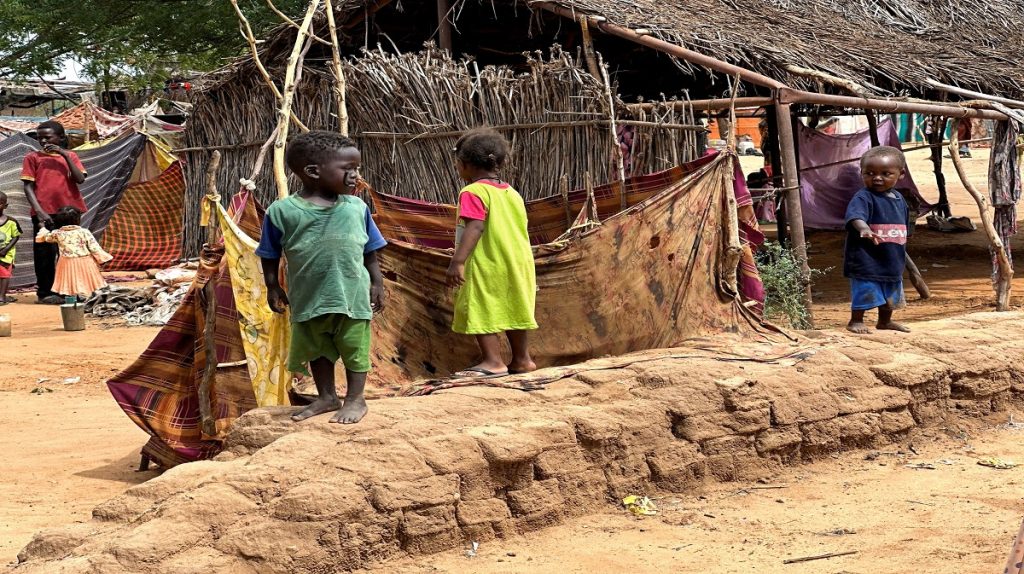
Millions of Sudanese civilians remain trapped between front lines or displaced multiple times, with little access to food, medical care or safe shelter. Humanitarian operations continue to face severe blockages, with both sides accused of impeding aid.
The UN warned that without urgent action, Sudan risks further mass atrocities and an even deeper humanitarian collapse.
–UN/ChannelAfrica–


