

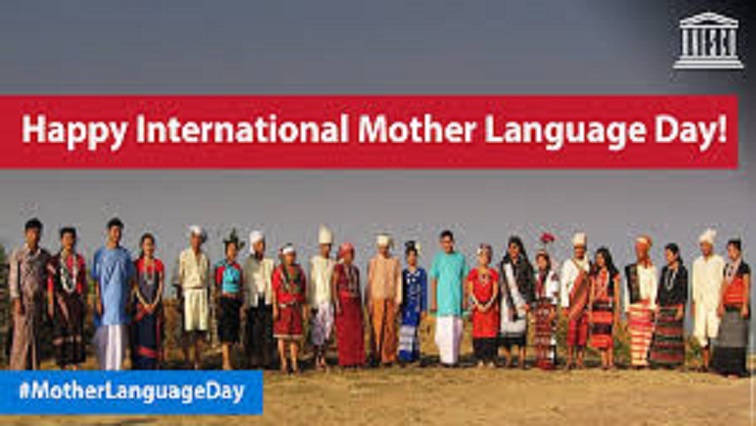
As the world marks International Mother Language Day on February 21, attention is turning to a pressing global challenge: millions of children begin school in a language they neither speak nor fully understand.
United Nations Educational, Scientific and Cultural Organisation estimates that around 40% of the world’s population lacks access to education in a language they understand, a reality with profound implications in Africa, the most linguistically diverse continent.
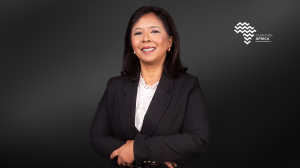
Prudence Erens, Programmes Manager at Nal’ibali, says mother tongue education is critical not only for cultural preservation but for literacy, confidence and identity. She explains that a child’s home language is the foundation through which they understand the world and removing it from the classroom can weaken comprehension and participation.
“When children learn in a language they understand, their engagement and confidence are noticeably stronger,” Erens says, adding that research shows improved outcomes when learners are taught in their mother tongue, particularly in early education.
Addressing concerns that local-language instruction may disadvantage children in a global economy, Erens points to evidence suggesting the opposite. She notes that strong grounding in a home language makes it easier for learners to acquire additional languages such as English or French.
This year’s theme focuses on youth and multilingual education, reinforcing the call for policies that turn language into a tool for opportunity rather than a barrier to development.
–ChannelAfrica–


