


University of Johannesburg (UJ) based Economist Dr Ntokozo Nzimande says the negative impact the Israel-Iran conflict might have on South Africa’s (SA) economy includes government pausing the decrease of interest rates, as well as the increase in transport and food prices.
Nzimande has been responding to Israel and the United States (US) air bombardment of Iran, which killed, among others, that country’s Supreme Leader, Ayatollah Ali Khamenei.
Historically, the country’s inflation has been heavily influenced by exchange rate fluctuations and international commodity prices, particularly oil.
The South African Reserve Bank (SARB) last adjusted the interest rates in November last year and the current prime lending rate is 10.25% and the repo rate is 6.75%.
This was preceded by a series of rate cuts in 2024 and 2025.
Nzimande says the closure of the Strait of Hormuz, which is within Iran’s territorial waters and where about 20% of global oil trade passes through, will have a negative impact on the country’s economy.
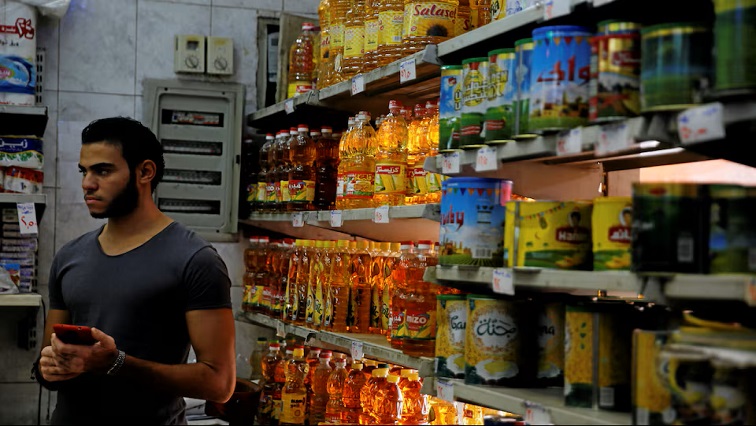
He says, “It will increase fuel prices in SA, it will raise transport and food prices, it may push inflation to even above the target and it will complicate the monetary policy decision.”
Nzimande says, “You will know that the Central Bank has been on the campaign to reduce the interest rate and if prices do go up as we expect then what will happen is that this process of cutting the interest rates will be halted or the central bank may increase the interest rate in response, which will in turn affect the SA economy, the cost of borrowing will be high and it will prolong the financial pressure on the households and small businesses.”
—SABC—


