


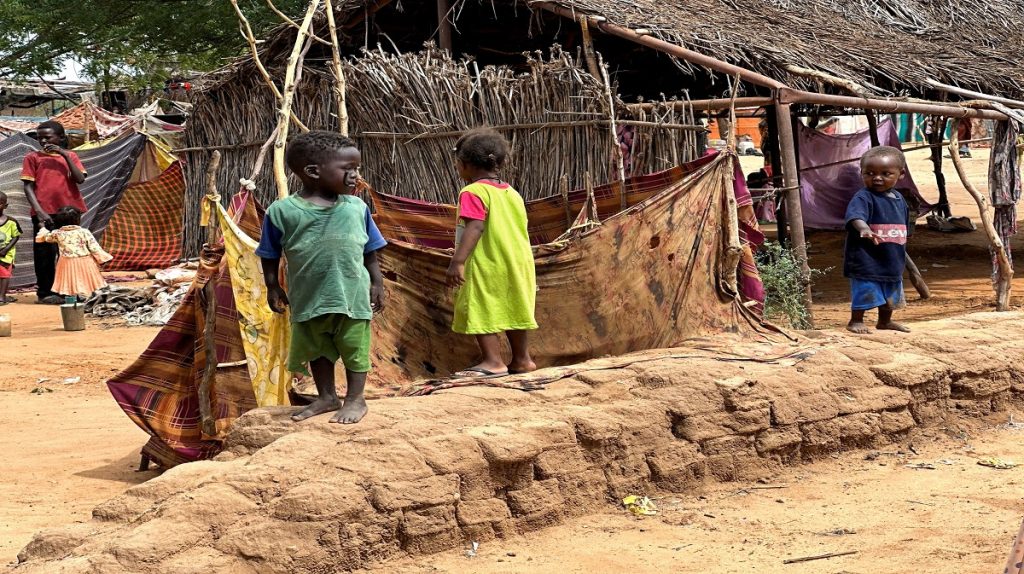
For communities that have waited years for their day in court, the initiative cannot arrive soon enough.
South Sudan continues to face deep instability despite the 2018 peace agreement intended to end years of civil war. Armed clashes between government forces, opposition groups and local militias persist, displacing thousands and worsening an already dire humanitarian and protection crisis. Sexual and gender‑based violence (GBV) remains widespread.
“My eight‑year‑old child was raped, and I do not know what to do as her future is already damaged,” said Grace Hadia, the mother of a survivor. “I have not been able to sleep since this incident. I hope justice will prevail with the deployment of the mobile court.”
Officials documented 35 pending cases during the assessment mission, including nine murder cases, 15 related to sexual and gender‑based violence and others involving theft and serious crimes. Local leaders say GBV continues to rise, while police lack trained personnel and specialised desks to handle such cases.
“Recently, during a funeral, a woman was raped by seven men. We are still searching for the suspects so they can face justice,” said Zilpha Dawa, Mundri West County Commissioner. She said cases are too often treated like ordinary offences due to a lack of resources and training.
The absence of functioning courthouses has also meant many suspects have spent years in detention without trial, contributing to severe prison overcrowding. “I have spent two and a half years in prison without trial. I am hopeful now that the mobile court will come and justice will finally prevail,” said one detainee.
The UN Mission in South Sudan is supporting the mobile court initiative as part of efforts to strengthen the justice chain, build trust in legal institutions and promote accountability. Mobile courts are expected to deliver more than verdicts. For many communities, they represent the first real hope that long‑delayed justice and healing may finally become a reality.
–UN/ChannelAfrica–


