
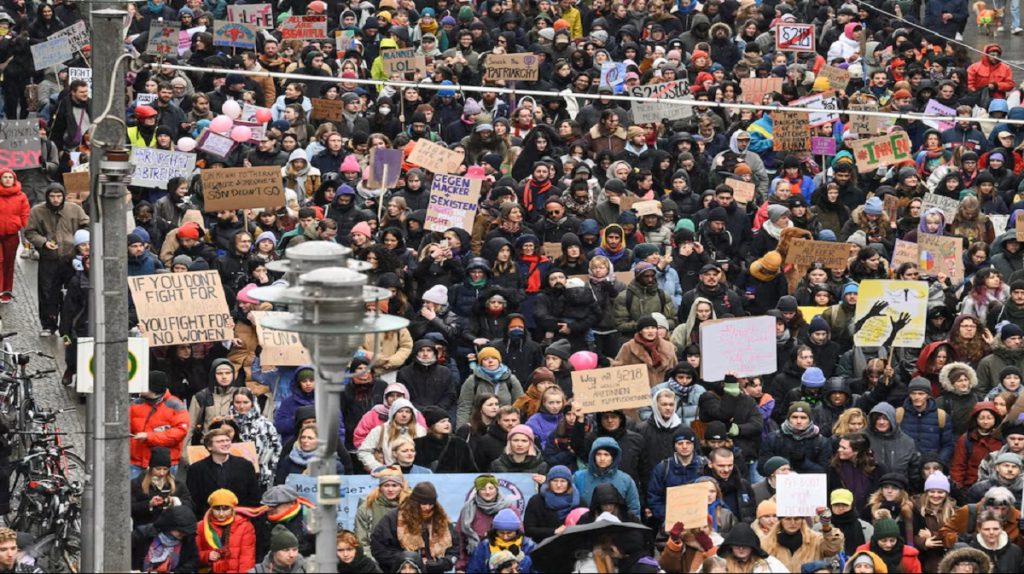
The study warns that justice systems in most countries are failing to protect women, leaving them increasingly exposed to abuse, impunity and rights violations.
Speaking at the report’s launch in New York, Sarah Hendriks, UN Women’s Director for Policy, Programme and Intergovernmental Division, said women’s rights are under renewed threat amid democratic backsliding, rising conflict, economic pressures and shrinking civic space.
“Justice systems do not stand apart from those pressures; they reflect them,” Hendriks said. She added that there is now an “organised pushback” against gender equality, with laws being reshaped in ways that restrict women’s freedoms and silence their voices.
The report, titled Ensuring and Strengthening Access to Justice for All Women and Girls, reveals that nearly 70% of countries surveyed have discriminatory legal frameworks that prevent women from accessing justice on equal terms. Together with social norms, weak implementation of laws, traditional justice systems operating outside state oversight and conflict settings, these barriers leave women with just 64% of the legal rights enjoyed by men.
Stark gaps remain in legal protections. Fifty‑four per cent of countries still lack consent‑based definitions of rape, while many women have little recourse to justice in cases of domestic violence, land disputes or economic discrimination.
Conflicts are worsening these vulnerabilities. In 2024, 676 million women and girls lived within 50 kilometres of a deadly conflict, the highest number since the 1990s. Reports of conflict‑related sexual violence increased by 87%, the agency said.
“When justice fails women and girls, the damage goes far beyond any single story,” Hendriks warned. “Communities lose faith, public trust erodes and institutions lose legitimacy.”
Despite the bleak outlook, UN Women highlighted examples of progress. Since 1970, family law reforms have expanded economic opportunities for more than 600 million women. The agency urged governments to accelerate reforms by 2030, stressing that justice systems must be “shaped by women and shaped for women”.
However, funding shortfalls threaten progress. Nearly 90% of organisations working to end violence against women report cuts to essential services, and only 5% believe they can sustain operations for more than two years without increased support.
–UN/ChannelAfrica–





