

More than one million girls in Sierra Leone have been vaccinated against the human papillomavirus (HPV), surpassing the country’s target and marking a major step in efforts to eliminate cervical cancer by 2030.
The nationwide campaign achieved 116% of its target, reaching over one million girls compared to the initial goal of about 868 300. For the first time, eligibility was expanded to include girls aged 11 to 18, allowing health authorities to reach more adolescents and close immunity gaps.
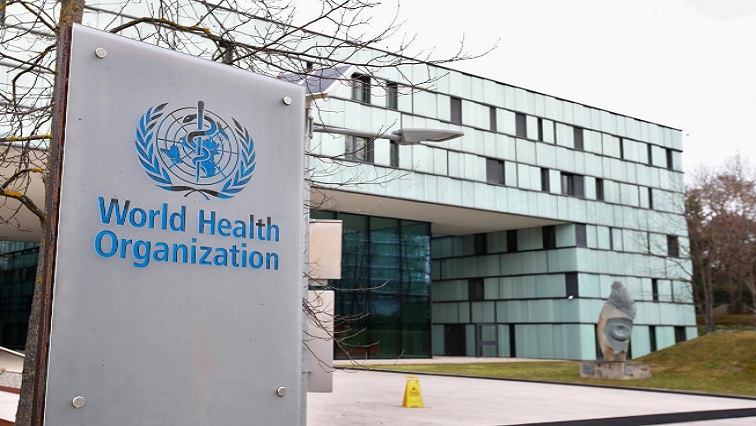
The vaccination drive was led by the government with support from the World Health Organisation (WHO), UNICEF, United Nations Population Fund, and Gavi, the Vaccine Alliance.
Health officials say the campaign reached both school-going and out-of-school girls. About 66% of those vaccinated were in school, while 34% were girls outside the school system, part of a deliberate effort to reach vulnerable groups.
For many young people, the vaccine represents protection and hope for the future. Grace Lamin, a student from St Joseph’s Convent Secondary School in Freetown, says receiving the vaccine gives her confidence to pursue her education and future goals.
Cervical cancer remains the deadliest cancer affecting women in Sierra Leone and the second most common among women aged 15 to 49. The country records more than 500 new cases each year, with nearly 370 deaths.
The campaign builds on earlier efforts that introduced HPV vaccination into routine immunisation in 2022, as part of a broader national strategy that includes screening and treatment services.
According to Dr George Ameh, WHO Representative in Sierra Leone, the success of the campaign shows what can be achieved through strong government leadership, community trust and international partnerships as the country moves closer to eliminating cervical cancer as a public health threat.
–ChannelAfrica/WHO Africa–


