


Domestic fuel prices have risen by roughly 47% in just six weeks, placing fresh pressure on transport, food prices and household budgets across Africa’s largest economy.
Speaking to Channel Africa on Tuesday, Correspondent Jonathan James Lyangohn said the impact has been “sharp, sudden and deep”, especially for a country where the economy and transport system depend heavily on petroleum products. “When transport costs rise, food prices rise, and the cost of workers simply getting to work also increases. It ricochets into every sector,” he said.
The Nigerian government has acknowledged the severity of the situation, saying it is monitoring developments closely, though it has yet to outline detailed mitigation measures. Finance Minister Wale Edun recently indicated that the government is “watching the situation”, but has not provided specifics.
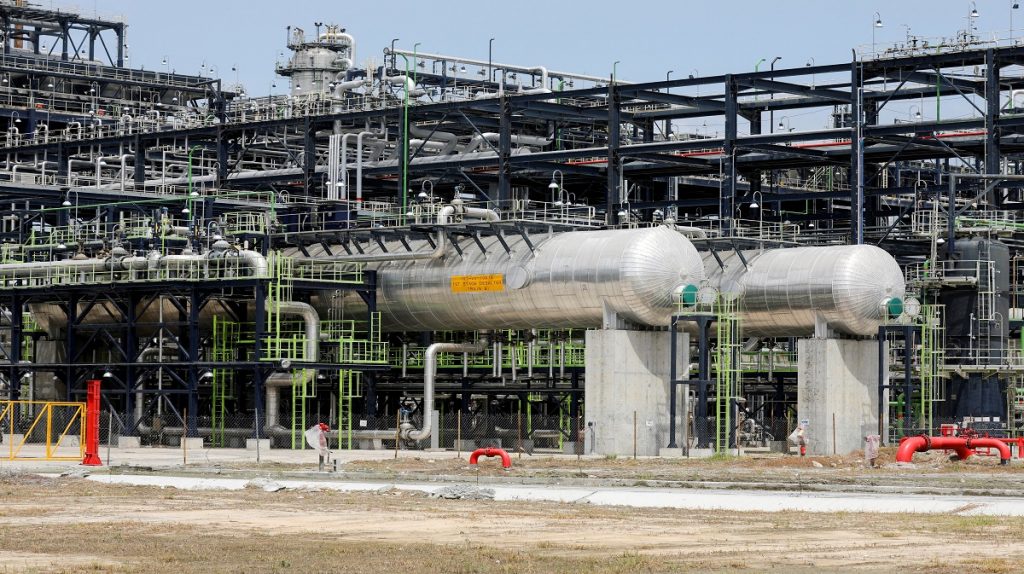
The Dangote Refinery, which now supplies about 92% of locally consumed fuel, has ramped up production and prioritised domestic supply to avert shortages. However, the refinery is facing its own constraints. Lyangohn explained that crude deliveries from Nigeria have dipped sharply. “Typically, Dangote receives nine to eleven vessels of crude. Last month it was barely five,” he said.
As a result, the refinery has begun sourcing crude from the United States and other markets, leaving domestic fuel pricing more exposed to international price movements. Dangote officials say their global obligations, including foreign‑currency loan repayments and insurance costs, also contribute to rising petrol prices.
The Independent Petroleum Marketers Association of Nigeria has urged the government to cut taxes and charges on fuel to ease pressure at the pump. So far, there has been no response.
Lyangohn warned that relying heavily on Dangote as a single supplier carries risks if the refinery faces further constraints. “If not well managed, the situation could spiral into inflation that goes out of control,” he said, noting that Nigeria is only beginning to recover from one of its worst inflationary periods.
He added that the government is attempting a “delicate balancing act” between honouring crude‑export commitments and supplying enough crude to keep the refinery running.
–ChannelAfrica–


