


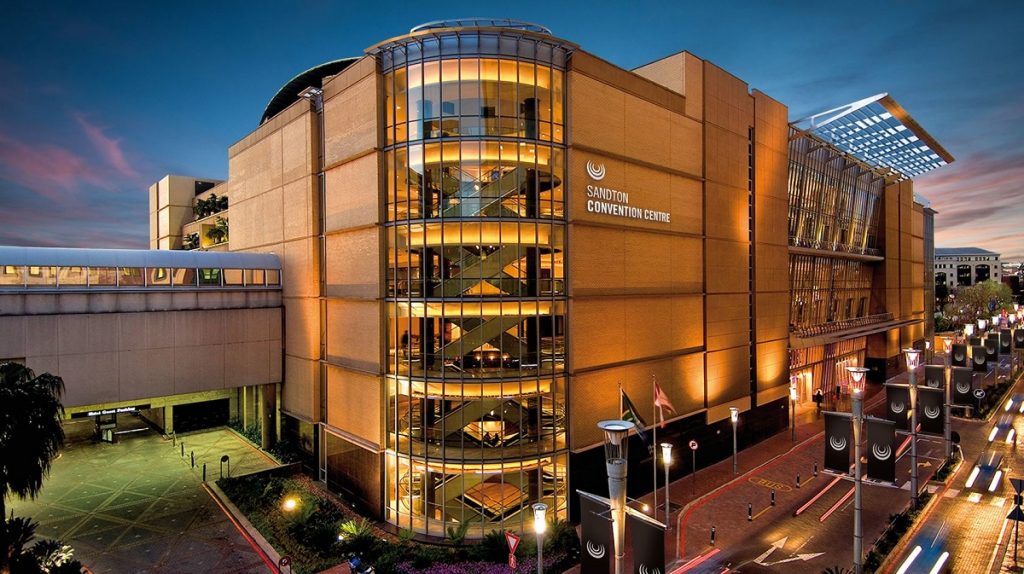
Speaking at the Buy Local Summit and Expo hosted by Proudly SA at the Sandton Convention Centre, on Tuesday, Abrahams stressed that localisation should create real opportunities for South Africans while strengthening, rather than sheltering, domestic industries.
“It is aimed at driving economic recovery and reducing unemployment by prioritising local sourcing and purchasing,” Abrahams told Channel Africa. She emphasised that government’s intention is not to protect local firms from global competition but to ensure they are competitive internationally through quality, reliability and innovation.
The Department of Trade, Industry and Competition (DTIC) is showcasing SA products in global markets through outward selling missions, exhibitions and inward buying missions. Abrahams highlighted a new “butterfly strategy” that prioritises 27 identified markets and leverages the African Continental Free Trade Area to expand local exports across the continent.
In the current financial year, more than 390 SA companies have benefited from government’s Export Marketing and Investment Assistance programme.
Asked about gaps in the value chain, Abrahams acknowledged longstanding weaknesses in enforcement, monitoring and infrastructure.
“We have an ambitious policy, but implementation can slow down because of non‑compliance and insufficient oversight,” she said. She noted persistent challenges in energy and port infrastructure, as well as unfair competition from illicit trade, counterfeit goods, dumping and illegal manufacturing, which have severely affected the clothing, textile, footwear and leather industries.
On incentives, she said stakeholders consistently call for more support, but the government has to operate within tight budget constraints. The priority, she said, is to identify “force multiplier industries” where one rand of investment catalyses significant economic returns. Incentives must also adapt to future risks, including artificial intelligence, climate shocks, pandemics and global conflicts.
Abrahams stressed that localisation must include small and medium enterprises. “Localisation cannot be credible if it only sustains big business,” she said. Government is working with the Department of Small Business Development and Proudly SA to help SMEs access markets, obtain certification, gain visibility and become export‑ready through training and awareness initiatives.
She encouraged SMEs to explore DTIC’s programmes and funding opportunities. “Dreams are not meant to be contained; they are meant to grow and flourish,” she said.
–ChannelAfrica–


