

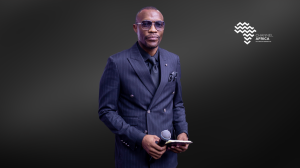
Global governance expert, Dr Thelela Ngcetane-Vika, says the withdrawal of President Cyril Ramaphosa’s invitation to the G7 Summit in France demonstrates the United States’ (US) problematic influence on the global governance architecture.
France’s decision to disinvite Ramaphosa to the summit in June comes after Washington threatened to boycott the event should South Africa (SA) be in attendance.
The Presidency says it accepted the decision, adding that it would not affect SA’s close bilateral relationship with France.
Ngcetane-Vika says this action highlights SA’s deteriorating relationship with the US.
“It tells us about the problems of the global governance architecture. Whilst we are saying it’s a multilateral space, all countries have their sovereignty. In other words, they can self-determine, but the reality is that that self-determination happens in the space of global dynamics, who has more power. So, it’s not a surprise that President Emmanuel Macron would yield to the pressure because they need things from the US. So, they are also trying to navigate their own bilateral interests with the US.”
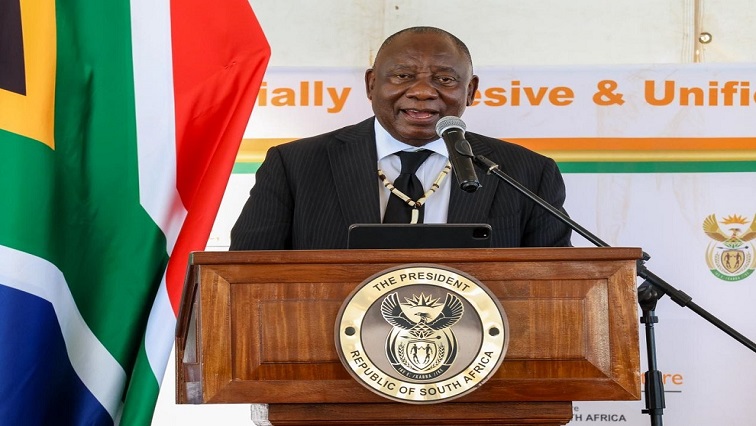
Meanwhile, Ramaphosa says his attendance at the G7 Summit is not necessary because SA is not a member of the G7 coalition.
“My information is that there’s been no pressure from any country, the US or any other country, and an invitation to the G7 does not mean you have been snubbed, or if you are not invited, you are being ignored. There are so many countries around the world that don’t get invited to the G7, and remember, SA is not a member, and when we do go, we are invited, and we take a message there. We haven’t attended every G7. So, if we don’t go to this one, it should never be a surprise to anyone,” says Ramaphosa.
–SABC–


