


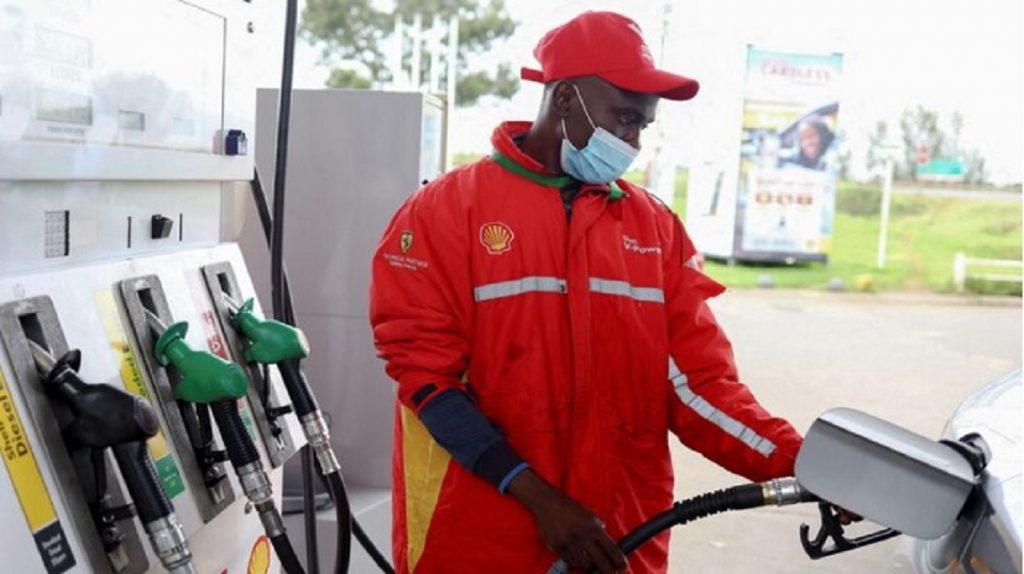
The country’s Central Energy Fund has warned of a sharply higher fuel bill from April 1, with significant increases expected for both petrol and diesel.
Industry experts say the looming fuel price shock is already reshaping consumer behaviour, with growing interest in electric vehicles and hybrids as motorists search for alternatives.
Speaking to Channel Africa on Friday, Cars.co.za Chief Product and Innovation Officer Alan Quinn said the impact would be severe for high‑mileage commuters and small businesses.
“I filled up my diesel vehicle this morning because prices are going up by about $0.58 a litre. That is close to a 50% jump,” Quinn said. “Everything we buy is transported by diesel trucks, so grocery prices will come under pressure very quickly.”
Quinn warned that rising fuel costs could reignite inflation, complicating the interest rate outlook. “At the start of the year the expectation was that interest rates would continue to come down. But higher fuel prices push up inflation, and inflation drives rates. We may now end up paying the same or more on our credit agreements,” he said.
Calls by the government for motorists to work from home may offer some relief, but Quinn said broader tax interventions were unlikely in the short term. “Fuel levies are a major revenue source. Globally, governments tend to wait and see rather than intervene immediately.”
The anticipated hike is accelerating interest in alternative vehicles. Quinn said searches for electric vehicles (EVs) on Cars.co.za had increased sharply, although lingering concerns remain. “People still associate EVs with load shedding and unreliable charging infrastructure. That makes them a tough sell.”
Hybrid vehicles, however, are gaining traction. “Hybrids combine electric power with a combustion engine. You get better fuel economy without the need to rely on charging stations,” Quinn said. The Toyota Corolla Cross hybrid has been a standout example, with more than half of buyers choosing the hybrid version when it launched at the same price as the petrol model.
New car sales hit a 13‑year high in February, driven largely by competitively priced Chinese brands entering the market. While this has boosted affordability, Quinn cautioned that South Africa’s automotive manufacturing sector, which accounts for about 5% of the economy, could face challenges if imports displace local production.
He stressed the urgency of policy clarity. “Manufacturers are ready to invest billions in new energy vehicle production, but they need certainty from government on the future framework.”
–ChannelAfrica–


