

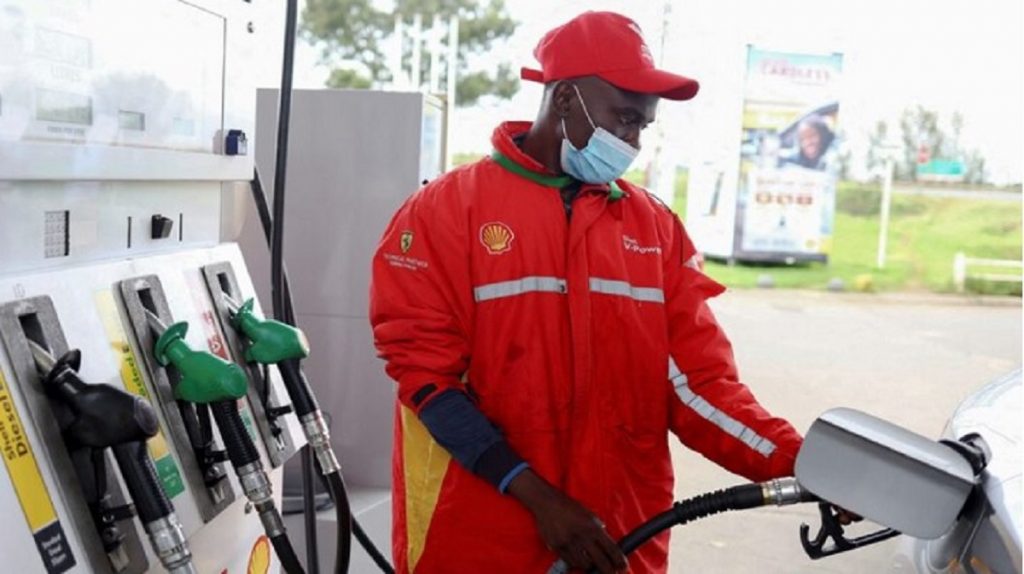
The warning comes as South Africans brace for what could be record hikes in both petrol and diesel from April, largely linked to supply disruptions caused by the escalating conflict in the Middle East.
At the same time, the SA National Taxi Council has indicated it may consider fare increases as operators struggle to absorb soaring fuel costs.
Speaking to Channel Africa on Monday, Automobile Association Chief Executive Officer Bobby Ramagwede said only two scenarios could explain the expected increases. “If we see onerous fuel price hikes, it is either indicative of opportunistic tax increases by the state, or an admission that South Africa’s strategic fuel reserves are depleted,” he said.
Ramagwede revealed that taxes account for almost half of the fuel price. “If I give you round figures, nearly 50% of what motorists pay for fuel is tax,” he said.
He warned that the impact would be far‑reaching, particularly for lower‑income households and small businesses. “Fuel is embedded in every aspect of the economy. Food distribution, public transport, and air travel all rely on petrol and diesel. These increases will introduce inflationary pressure that the government may be underestimating,” he said.
Ramagwede stressed that once prices rise, they seldom come down. “History shows that when prices increase, they are very slow to decline, if ever.”
The AA is calling on government to intervene by adjusting fuel taxes, as it has done in the past. “Back in 2022, during the Russia‑Ukraine conflict, government reduced fuel taxes to cushion consumers. We expect similar measures now, whether temporary suspensions or partial reductions,” Ramagwede said.
He also questioned the status of SA’s strategic fuel reserves. “We were told recently that reserves bought in 2016 were restored. The unanswered question is whether those reserves still exist or have been depleted over time,” he said.
Ramagwede stressed that any action by the AA would be lawful and peaceful. “We do not intend to close roads or operate unlawfully. Should action be required, it will be coordinated, orderly and within the law,” he said, adding that there were informal agreements with partner organisations to pursue legal avenues if necessary.
–ChannelAfrica–





