

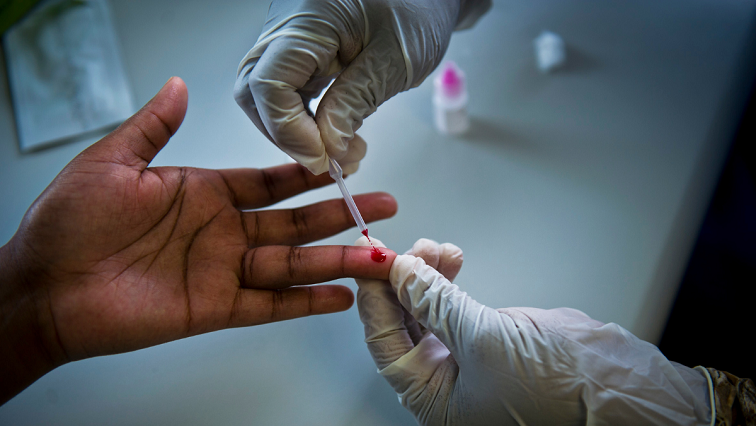
For several months last year, Josephine Angev walked the dusty village paths of Nigeria’s Benue State with a mission, to help people living with HIV stay on their life-saving medication, after a United States (US) aid freeze left thousands scrambling for supplies.
The 40-year-old is one of dozens of volunteer “HIV champions” who went door-to-door to bring patients back into care when their access to antiretroviral drugs was disrupted, tending to those whose condition can still bring shame and stigma.
Some patients didn’t realise the risks if they stopped. “They don’t understand the implications,” Angev said.
If people living with HIV stop taking antiretroviral drugs, which suppress the virus, it rebounds.
This puts them at risk of HIV-related illnesses within months, and also means they can transmit the virus to others.
Angev made multiple visits to a 65-year-old woman who had stopped taking medication once her supplies ran out. Then she became ill. Today, thanks to Angev’s interventions, she is back on her drugs, and doing well.
Her story is just one example of how people fared in the wake of aid cuts that upended the global HIV response in 2025.
Other rich states joined the US in cutting aid, forcing a reckoning for countries that had relied on it heavily.
Nigeria responded with a $200 million health funding package within six weeks that included HIV.
The US government also issued a waiver for “life-saving” aid in February 2025, including antiretrovirals. But crucially, volunteers also bridged the gaps.
–Reuters–


