

An IMF mission led by Constant Lonkeng visited Antananarivo from March 26 to April 8 to assess programme implementation following an interruption caused by political developments last year. Discussions are set to continue in the coming weeks, with possible consideration by the IMF Executive Board thereafter.
If the reviews are agreed and approved, Madagascar could receive total disbursements of about $183 million, under the two arrangements approved in June 2024.
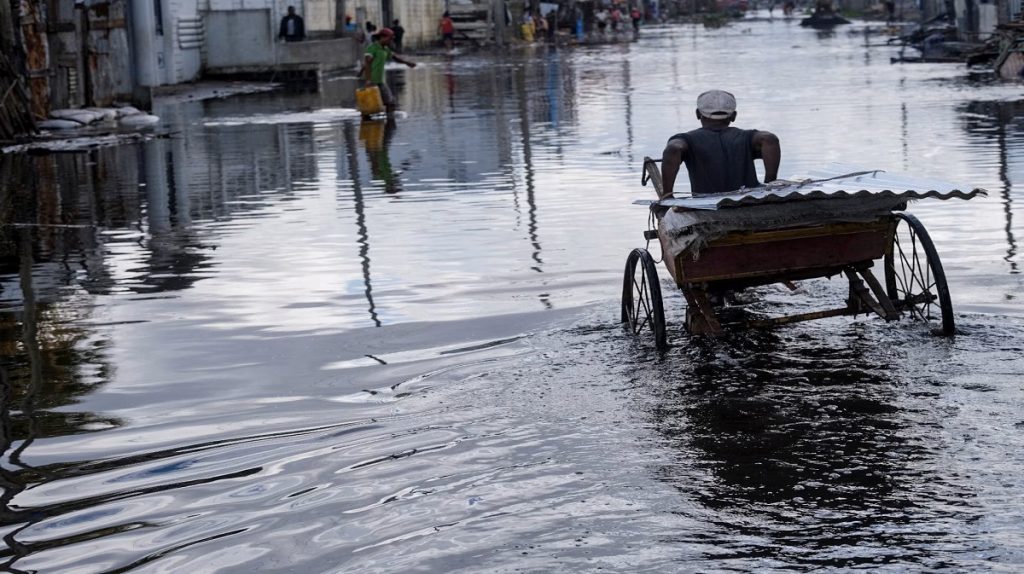
The IMF said Madagascar’s economy has been hit by a series of external and domestic shocks, including Cyclone Gezani and the ongoing conflict in the Middle East, which have weighed on growth and eroded fiscal and external buffers.
Despite these challenges, the fiscal deficit in 2025 was significantly lower than anticipated. This reflected tight cash management, sharp restraint in spending and the new administration’s decision to realign investment projects with its strategic priorities. However, tax revenue performance fell well short of expectations.
In response, the authorities have reaffirmed their commitment to domestic revenue mobilisation, which is expected to feature prominently in a supplementary budget for 2026.
The IMF stressed that heightened global and domestic uncertainties increase the need for careful contingency planning to preserve budget credibility, while allowing the exchange rate to absorb external shocks. The IMF said the central bank should maintain a tight monetary policy stance to guard against emerging inflationary pressures.
The IMF mission highlighted the importance of maintaining Madagascar’s automatic fuel pricing mechanism after the current pause, noting that it would help shield public finances from high global oil prices and free up resources for development spending. At the same time, the IMF welcomed the authorities’ plans to expand renewable energy to reduce reliance on imported fossil fuels.
The IMF also underscored the urgent need for well‑targeted measures to protect vulnerable households from higher fuel prices and the rationalisation of tax expenditures.
Longer‑term recovery prospects, the IMF said, depend on advancing core structural reforms to tackle state capture and corruption, which are critical to fostering private‑sector‑led growth and job creation in priority sectors including energy, agro‑industry, textiles, tourism and information technology.
–IMF/ChannelAfrica–





