

The warning comes in the 2026 Financing for Sustainable Development Report, released on Thursday, which assesses progress on the Sevilla Commitment. The 2025 agreement aims to mobilise $4 trillion annually to achieve the Sustainable Development Goals (SDGs) by the end of the decade.
“Implementing the Sevilla Commitment is our best chance to demonstrate the global community’s enduring commitment to cooperation and to unlock the finance needed to keep the promise of the SDGs,” said UN Deputy Secretary‑General Amina Mohammed ahead of the report’s launch.
The report paints a stark picture of deteriorating financing conditions. UN Under‑Secretary‑General for Economic and Social Affairs Li Junhua said that while the need for large‑scale investment is growing, the financing gap is widening.
Official Development Assistance fell by 6% in 2024 and declined by a further 23% in 2025, according to the report. At the same time, debt‑servicing costs in developing countries have reached their highest levels in two decades, diverting scarce resources away from health, education and climate action.
Developing countries, particularly the poorest and most vulnerable, are also facing rising costs from climate impacts, environmental degradation and high capital costs, limiting their ability to invest in sustainable growth.
“Multilateralism itself is under threat,” Li said, warning that powerful economies are reshaping trade and investment alliances in ways that disadvantage poorer nations.
The report notes that average tariffs on exports from Least Developed Countries surged from 9% to 28% in 2025. For other developing countries excluding China, average tariffs rose from 2% to 19%, more than an eightfold increase.
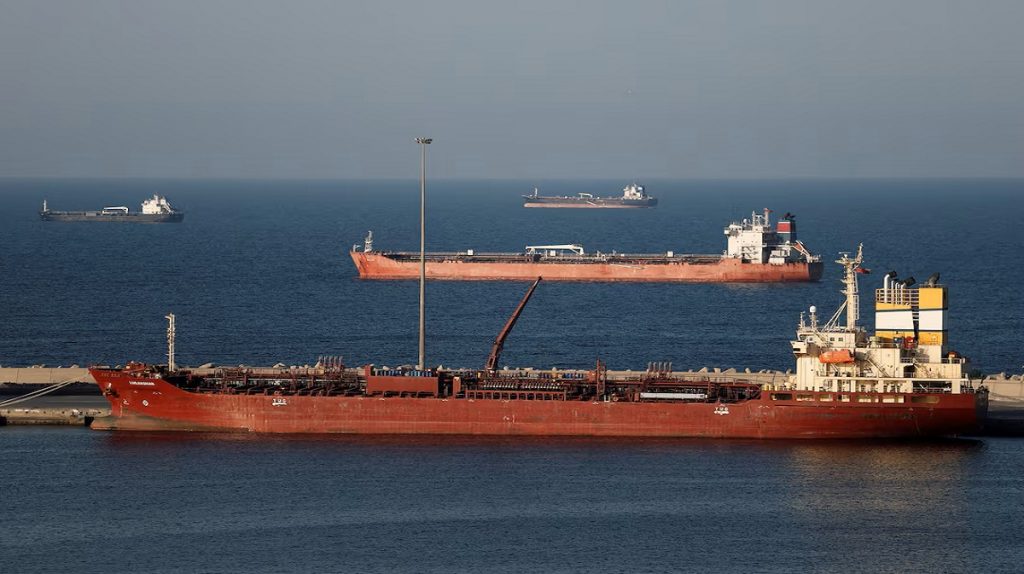
The ongoing conflict in the Middle East has added further strain, triggering shocks to energy markets and worsening pressures on food prices, trade flows and debt sustainability across developing economies.
Despite the challenges, the report highlights some positive trends. Global investment in renewable energy reached a record $2.2 trillion in 2024, double spending on fossil fuels. South‑South trade has also expanded fourfold over the past 20 years. “Implementing the Sevilla Commitment remains the only viable path to bridging the financing gap towards the SDGs,” Li said. “The world must now move from rhetoric to concrete action.”
–UN/ChannelAfrica–


