

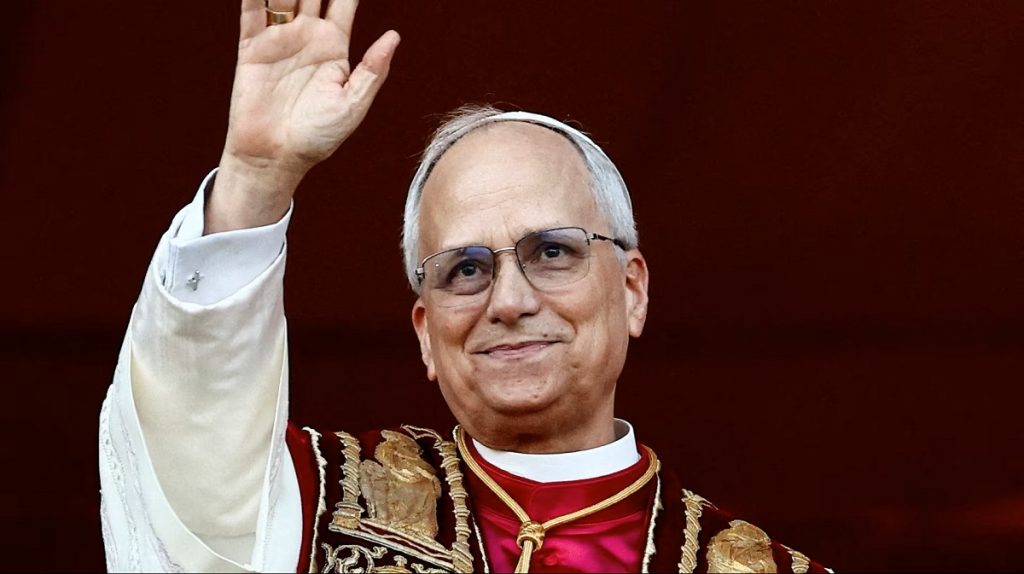
The trip comes at a time when the continent is home to more than 20% of the world’s Catholics and remains one of the fastest‑growing regions for the Church.
The visit is expected to focus on peace‑building, inter‑religious dialogue, social justice and youth empowerment, with particular attention to conflict‑affected areas, including parts of Cameroon.
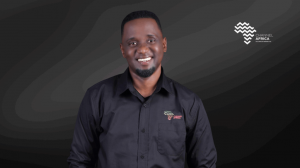
Father Hugh O’Connor, Secretary General of the Southern African Catholic Bishops’ Conference, says the visit carries significance far beyond the Church itself.
“At a time when Africa has been described internationally in deeply demeaning ways, this visit is a recognition of human dignity, human equality and human worth,” O’Connor told Channel Africa on Friday. “It affirms the value of the African continent and its people.”
While the Pope’s visit is primarily spiritual, O’Connor stressed it also carries a moral and diplomatic dimension. “The Holy Father visits as a pilgrim, but he is also a head of state. He will engage political leaders and religious leaders, including Muslim leaders, particularly in Algeria. This underlines the importance of dialogue, peace and working together for the common good.”
For African Catholics, the Pope’s message is expected to go beyond celebrating numerical growth. “Growth must be measured in depth and maturity of faith,” O’Connor said. “But Africa’s realities of inequality, exploitation, governance failures and conflict cannot be ignored. The Pope will bring a message of justice and peace that seeks transformation, not the preservation of the status quo.”
Youth engagement is also expected to be central. Africa has the world’s youngest population and faces widespread unemployment and economic uncertainty. O’Connor highlighted the Church’s role through education, saying it runs one of the largest education networks on the continent outside the state.
“The message to young people is that change is possible,” he said. “Faith and values can transform society, and the Church must be bold in advocating social and political reform.”
–ChannnelAfrica–


