


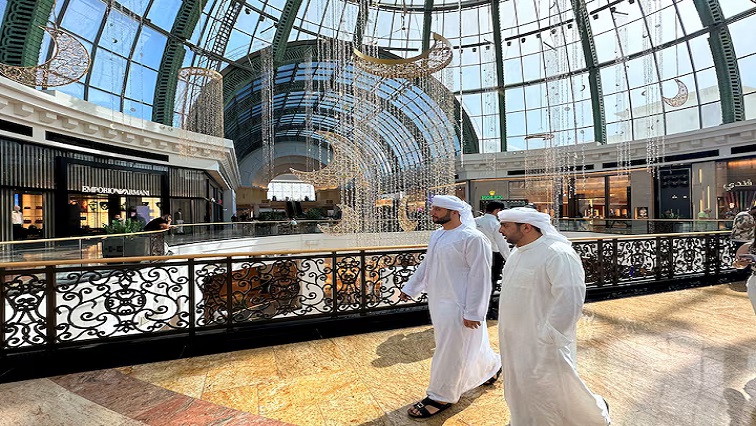
Footfall at one of Dubai’s most high-end shopping destinations, the Mall of the Emirates, home to luxury brands including Louis Vuitton, Dior, Gucci, Cartier, Chanel and Rolex alongside attractions such as an indoor ski slope, has dropped by around 15%, according to a source, as regional tensions linked to the Iran conflict begin to weigh on consumer spending in the United Arab Emirates.
The decline in visitor numbers is part of a broader slowdown in luxury retail activity across Dubai and Abu Dhabi, where Europe’s biggest luxury brands have reported weaker sales in recent weeks. The downturn comes at a difficult time for a global industry valued at about $400 billion, which has already been under pressure over the past three years.
At the Mall of the Emirates, sales at luxury boutiques fell by between 30% and 50% in March compared with the same month last year, according to a source familiar with the figures. The mall is one of Dubai’s flagship retail hubs, drawing both wealthy residents and international tourists.
The slowdown is not limited to a single destination. Traffic at the Dubai Mall, which is generally more reliant on tourism spending, fell by around 50% in March, according to two industry sources. In Abu Dhabi, the Galleria Mall saw a more modest but still notable decline, with sales down about 10%.
The figures come just as major luxury groups, including LVMH, Kering and Hermès, prepare to report quarterly results this week. The companies and mall operators did not respond to requests for comment.
The Middle East has been one of the industry’s most important growth regions in recent years, accounting for roughly 5% of global luxury consumption and delivering strong double-digit expansion, according to analysts. Its appeal has been driven by tourism, tax advantages and high levels of discretionary spending.
But that momentum is now under pressure as regional tensions linked to the Iran conflict disrupt travel patterns and consumer confidence. Dubai, often marketed as a stable luxury and tourism hub, has also faced heightened security concerns in recent weeks, including reported drone activity near key infrastructure.
Analysts say the impact could extend beyond the Gulf if uncertainty persists, particularly if higher energy prices and inflation begin to affect global demand for high-end goods.
Industry experts caution that recovery may take time, even if geopolitical tensions ease, as luxury brands reassess growth expectations in one of their most lucrative emerging markets.
–Reuters/ChannelAfrica–


