

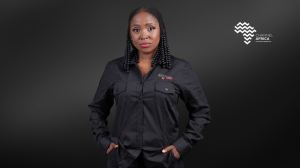

Addressing the session, South Africa’s (SA) Deputy Minister in the Presidency for Women, Youth and Persons with Disabilities, Mmapaseka Steve Letsike, called for increased investment in research, data and innovation, alongside universal access to sexual and reproductive health and rights.
Speaking to Channel Africa on Monday, Letsike said the commission remains a key multilateral platform for shaping global policy and advancing dignity and equality.
“This conversation is really about how we pursue dignity, how we pursue equality, but also sustainable development in a rapidly changing world,” Letsike said, arguing that demographic shifts and technological transformation should be managed in ways that reduce inequality, exclusion and injustice.
Letsike stressed that evidence-based policymaking must be rooted in people’s lived realities. “These are not just ordinary numbers and evidence. This is people’s lives,” Letsike said, adding that interventions must take account of intersecting challenges, including gender inequality, economic disparities and structural exclusion.
Letsike pointed to SA’s youthful profile as both an opportunity and a responsibility. “The median age is 28 in SA,” Letsike said, noting that the country must invest in skills, education and access to information to unlock prosperity. Letsike also highlighted the importance of planning for an ageing population, warning that development policy must address needs across generations.
Letsike said digital transformation should expand opportunity while protecting the public from new risks. Letsike emphasised that building effective public digital infrastructure must go hand in hand with safeguards, including clear regulation, protocols and standards that protect people from harm.
“This is not just a mandate of one department,” she said, noting that SA’s approach requires coordinated action across government to strengthen human capability and broaden participation, especially for women and girls, in science, technology, innovation, research and development.
The commission’s discussions are expected to continue over the coming days, with governments, UN agencies and civil society examining how technology and population trends can be harnessed to accelerate inclusive development while protecting rights.
–ChannelAfrica–


