

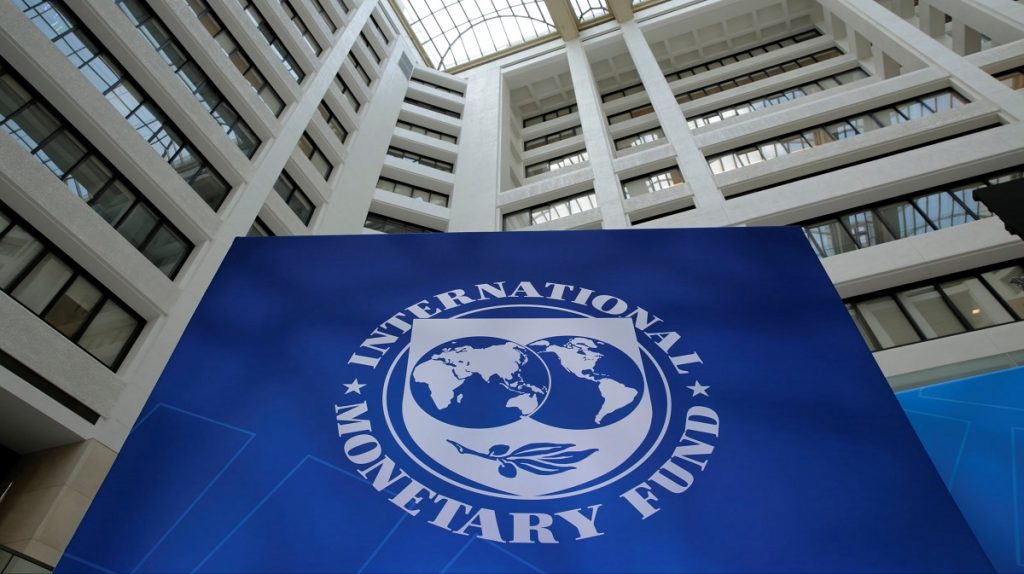
The findings are contained in Oxfam’s report Time to Walk the Talk, released ahead of the IMF and World Bank Spring Meetings in Washington, D.C. The report analysed IMF tax guidance to 125 countries between 2022 and 2024, focusing largely on recommendations contained in Article IV consultations and programme-related policy advice.
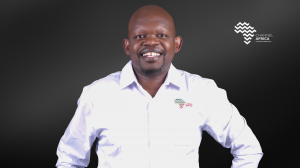
Oxfam’s Just Economy Lead for Africa, Francis Agbere, said the organisation examined IMF advice because of its real-world consequences for ordinary households. “IMF policy advice is consequential,” he told Channel Africa on Monday, arguing that the Fund’s recommendations influence how much disposable income people retain, as well as outcomes linked to jobs, public services and livelihoods.
Oxfam says the issue is particularly urgent in a period of widening inequality. The organisation notes that billionaire wealth has increased by 81% since 2020, while poverty and vulnerability remain entrenched in many countries. Agbere argued that policy choices that lean heavily on regressive taxation can worsen inequality by shifting the burden onto people with the least capacity to pay.
The report further claims that IMF advice is not consistent across income groups. Agbere said Oxfam’s analysis suggests that wealthier countries are more frequently encouraged to adopt progressive tax measures, while poorer countries are often advised to rely more on regressive tools that can fall disproportionately on low-income households.
Oxfam is calling for stronger emphasis on wealth and high-income taxation, arguing that such measures can help fund essential services and reduce inequality, while protecting vulnerable groups.
Responding to concerns often raised by critics, including fears that wealth taxes could discourage investment or trigger capital flight, Agbere said tax policy must focus on outcomes. “We are not against the private sector,” he said, “but enabling policy must put inequality at the centre, and those with the most wealth should contribute more.”
Oxfam said it wants global institutions to align their stated commitments on inequality with practical policy advice, particularly as governments face high debt costs and shrinking fiscal space.
–ChannelAfrica–


